What If Your Phone Could Strengthen Friendships While Saving Energy?
Imagine ending your workday with a full battery and a stronger connection to your best friend—without lifting a finger. Sounds impossible? It’s not. With smart charging management, your phone can do more than just power up—it can help you stay present, save money, and nurture relationships in ways you’ve never thought possible. Let’s explore how small tech tweaks can bring big emotional rewards. This isn’t about becoming a tech expert. It’s about using what you already have in a smarter way—so your device supports your life instead of draining it. And yes, it really can help you feel closer to the people who matter most.
The Draining Reality: How Workdays Leave Us and Our Phones Exhausted
You know that moment—your head’s heavy, your shoulders ache, and the clock finally hits 5 PM. But instead of relief, there’s a knot in your stomach. Your phone’s battery icon flashes red, sitting at 10%. You were going to call your sister, text your friend about dinner plans, maybe even snap a photo of the sunset on your walk to the car. But now? You’re too tired, and your phone’s too dead. So you plug it in, watch the percentage crawl up, and scroll mindlessly—half awake, half resentful. Sound familiar?
This isn’t just about running out of charge. It’s about running out of energy—yours and your phone’s. We’re all juggling so much: kids, chores, emails, meetings, mental loads that never clock out. And our phones? They’re right there in the middle of it, buzzing, pinging, demanding attention. We charge them in desperation, often overnight, without thinking. But that habit comes at a cost—not just to the battery, but to our peace of mind. We start associating our phones with stress, not connection. And when your device feels like a burden, you’re less likely to use it for what really matters: talking to the people you love.
Here’s the truth: how we treat our phone’s battery mirrors how we treat our own. We push through until we’re empty. We refill in a rush. We don’t plan ahead. And then we wonder why we feel burnt out. But what if we could change that cycle? What if your phone could be a little more thoughtful—and in turn, help you be a little more present? That’s where smart charging comes in. It’s not flashy. It’s not complicated. But it might just be the small shift that changes how you feel at the end of the day.
Smart Charging: More Than Just a Full Battery
Let’s talk about smart charging—without the tech talk. Think of it like a gentle alarm clock for your phone’s battery. Instead of charging all the way to 100% the second you plug it in, it learns your routine. If you usually sleep from 10 PM to 6 AM, it’ll charge up to about 80% quickly, then slow down, finishing just before your alarm goes off. That way, your phone isn’t sitting at full charge for hours, which—fun fact—actually wears out the battery faster over time.
But here’s the real win: you wake up to a fully charged phone that’s also healthier, cooler, and more efficient. No more waking up to a warm slab under your pillow. No more watching the battery drop from 100% to 70% in an hour. And because the battery lasts longer, you won’t need to replace your phone as often. That’s good for your wallet and the planet. Plus, your electricity bill gets a tiny break—charging smart uses less energy overall.
Now, let’s go deeper. This isn’t just about tech. It’s about mindset. When you set up smart charging, you’re making a quiet decision to care for your tools—and by extension, for yourself. It’s a small act of intention. You’re saying, ‘I don’t want to live in constant battery anxiety. I want to start my day with ease.’ And that mindset? It starts to spill over. You begin to ask: where else in my life can I plan ahead, reduce stress, and create more room for joy? Maybe it’s meal prepping on Sundays. Maybe it’s setting a bedtime routine. Smart charging becomes more than a feature—it becomes a habit of care.
How Your Charging Routine Affects Your Friendships
You might be thinking: wait, how does my charging habit affect my friendships? It’s not like my phone battery is texting your best friend, right? But think about the last time your phone died at the worst moment. Maybe you were on your way to pick up your kids and your friend sent a voice note: ‘Hey, I just heard about your mom—call me when you can.’ But your phone died before you could reply. Or maybe you promised to check in with a friend going through a hard time, but you kept putting it off because you didn’t want to use your last 15%.
When your phone is unreliable, so are you—at least in small ways. And those small moments add up. We don’t lose friendships over one missed text. But we do feel the distance when we’re constantly distracted, unreachable, or too stressed about logistics to be emotionally available. Power anxiety creates emotional friction. You want to be there for people, but the mechanics of staying connected get in the way.
Smart charging removes that friction. When you know your phone will be ready when you need it, you feel more confident reaching out. You’re more likely to make that spontaneous call, send that ‘thinking of you’ text, or jump on a quick video chat. It’s not about being online more—it’s about being present when it counts. And that makes a difference. Your friends notice when you show up. They feel seen. And over time, those little moments build trust, warmth, and deeper connection. Your phone, once a source of stress, becomes a quiet enabler of care.
Workday Moments That Can Change Everything
Let’s paint a different picture. It’s Wednesday. You’re sitting at your desk during lunch, sunlight streaming through the window. Your phone shows 78%—plenty of juice. You remember your friend mentioned she was having a tough week. Instead of telling yourself, ‘I’ll text her later when I have more battery,’ you open your messages and type: ‘Hey, I was just thinking about you. How are you really doing?’ You hit send and go back to your salad. Ten minutes later, she replies with a voice note—long, heartfelt, full of relief. You listen, smile, and reply with a funny meme that makes her laugh out loud.
That moment didn’t change the world. But it changed something. It strengthened a bond. It reminded her she’s not alone. And it cost you nothing—no extra time, no drained battery, no stress. That’s the power of starting your day with a healthy charge. It’s not about doing more. It’s about being open to the small, meaningful interactions that make life feel richer.
Or imagine your commute home. Instead of frantically looking for a charging spot in the car, you plug in calmly, knowing your phone only needs a little boost. You decide to call your sister instead of scrolling. You talk about your kids, your favorite recipes, that show you both love to hate. The conversation is easy, warm, the kind that leaves you feeling lighter. These aren’t grand gestures. They’re micro-moments of connection. But they’re the glue of friendship. And when your phone supports them—instead of sabotaging them—you start to see tech not as a distraction, but as a bridge.
Setting It Up Together: A Shared Tech Habit with Emotional Payoff
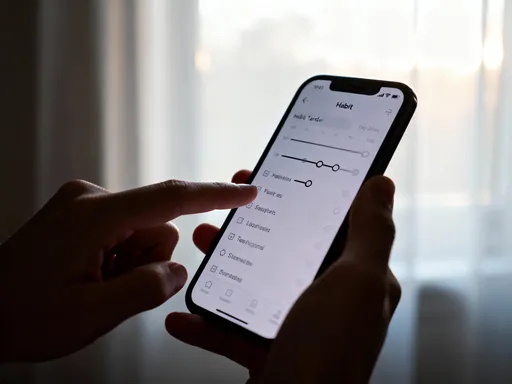
Here’s a thought: what if you didn’t do this alone? What if you invited a friend to set up smart charging with you? It sounds simple, but it’s surprisingly powerful. Text her: ‘Hey, I just learned this cool phone trick—want to try it together? We can be low-energy buddies.’ Then, over a coffee or a quick call, walk through the steps. On iPhone, it’s under Settings > Battery > Battery Health > Optimized Battery Charging. Turn it on. On Android, go to Settings > Battery > Adaptive Charging (or similar, depending on your model). Enable it. That’s it.
But the magic isn’t in the tap of a button. It’s in the shared intention. You’re not just upgrading your phone—you’re upgrading your check-ins. You’re saying, ‘I care about staying connected, and I care about doing it in a way that doesn’t drain me.’ And when you both have healthier charging habits, you’re more likely to reach out. You might even start a little ritual: ‘Did you see your phone charged to 100% this morning? Mine did! Feels good.’ It becomes a quiet symbol of your friendship—small, consistent, and full of care.
This is the kind of habit that grows. You start talking about other small changes: using dark mode to save battery, turning off background app refresh, even sharing energy-saving tips with your kids. It becomes part of your conversation. And in a world where so much of our tech use feels isolating, this feels different. It’s tech as a shared language of care. You’re not just saving energy—you’re building a rhythm of connection that fits into real life.
Beyond Charging: Building a Life That Runs Smarter, Not Harder
Once smart charging becomes second nature, you might notice other benefits creeping in. Your phone stays cooler, which means it runs smoother. The battery degrades slower, so you’re not rushing to buy a new one every two years. That saves hundreds of dollars over time. And fewer phone replacements mean less electronic waste—a small but real win for the planet.
But the deeper shift is in how you feel. When your tech works quietly in the background, you’re freer to focus on what matters. You’re not constantly hunting for outlets or stressing about battery percentage. That mental load lifts. And with that space, you start to notice more: the way your daughter laughs at breakfast, the quiet comfort of a shared silence with your best friend, the joy of a long walk without needing to charge.
You begin to apply that same intentionality elsewhere. Maybe you start using calendar reminders to schedule weekly calls with your mom. Or you set a ‘no phones during dinner’ rule to protect family time. You realize that small, thoughtful systems—whether in tech or life—create more freedom, not less. They reduce decision fatigue. They make space for presence. And that’s where real connection lives: not in constant availability, but in meaningful attention.
The Quiet Power of Small Tech Choices
In the end, smart charging isn’t about the technology. It’s about what it represents: a choice to live with care. To treat your tools—and yourself—with kindness. To make space for what matters, one small habit at a time. In a world that glorifies hustle, burnout, and constant connection, this is a quiet rebellion. It says: I don’t need to run on empty. I can recharge with purpose. I can be there for others—because I’ve taken care of myself first.
And when you and your friend both have phones that support your lives instead of stealing from them, something beautiful happens. You call more. You listen longer. You remember the little things. You feel closer, not because you’re doing anything dramatic, but because you’ve removed the tiny barriers that kept you apart. Your friendship doesn’t need grand gestures. It thrives on consistency, warmth, and the quiet assurance that you’re there.
So tonight, before you go to bed, take two minutes. Turn on smart charging. Set it and forget it. And tomorrow morning, notice how it feels to start the day with a little more ease. Then, maybe, send a message to someone you care about: ‘Hey, I was just thinking of you.’ Let that be the ripple. Because sometimes, the most powerful tech isn’t the one that dazzles—it’s the one that helps you love better, live easier, and stay connected in the ways that matter most.