I kept telling myself 'I'll start tomorrow': This habit tracker made me actually do it
You know that voice in your head saying, “I’ll start fresh tomorrow”? I heard it every day—until I stopped relying on willpower and started using a simple app to build real momentum. It wasn’t magic, but it changed everything. This is the story of how one small tech tool helped me finally keep my promises to myself, turn chaos into calm, and make progress I never thought possible—without burning out. I wasn’t lazy. I wasn’t failing. I was just trying to do it all in my head, and that, my friend, is a setup for disappointment. Sound familiar? If you’ve ever looked at your to-do list and felt your shoulders slump, if you’ve promised yourself “this week will be different” only to find Friday here and nothing done—then this is for you.
The Cycle of “I’ll Start Tomorrow”
Let’s be honest—most of us don’t wake up wanting to fail. We want to do better. We want to drink more water, move our bodies, read before bed, spend less time on our phones. We set intentions with real hope. But by Wednesday, life happens. The kids are sick. Your boss sends an after-hours email. You skip your walk because it’s raining. And suddenly, that perfect plan you had on Sunday? Gone. Back to old habits. Back to feeling like you let yourself down—again.
I was stuck in that loop for years. I’d buy a beautiful planner, fill it with color-coded goals, and then—nothing. Or worse, I’d do great for two days and then miss one thing, and that one miss would spiral into giving up entirely. “I’ll start fresh Monday,” I’d say. And then Monday would come, and I’d try again. And again. And again. It wasn’t that I didn’t care. It was that my system was fragile—built on motivation, not structure. And motivation fades. Life doesn’t.
What I didn’t realize then was that the problem wasn’t me. It was the way I was trying to manage change. I was asking myself to remember everything, judge myself fairly, and stay consistent—all without any real support. No wonder I kept failing. I was trying to build a house without tools. I needed something—anything—that could help me see progress, not just effort. Something that wouldn’t collapse the moment life got messy. That’s when I started looking for a better way.
Discovering the Right Tool (Not Just Any App)
I’ve tried a lot of apps. You probably have too. There’s the kind that feel like they’re yelling at you—pop-up reminders, red warnings, “You’ve failed your goal!” messages that make you want to throw your phone across the room. Then there are the overly complicated ones—timers, points, levels, badges. Cute, maybe, but not exactly calming when you’re already overwhelmed.
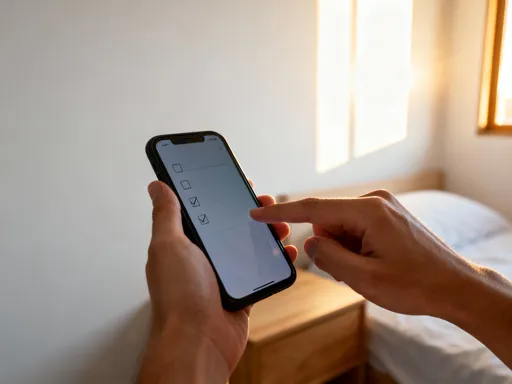
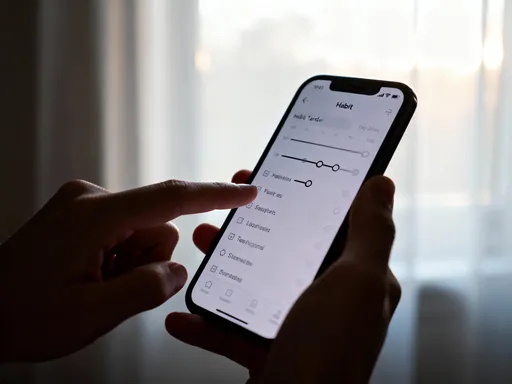
What I needed wasn’t another task. I needed something gentle. Something that felt like a quiet friend saying, “Hey, remember that thing you wanted to do? Want to try it today?” That’s when I found a simple habit-tracking app—no flashy design, no pressure, just a clean checklist with little green dots for each day I followed through. No penalties. No guilt. Just a quiet record of what I did.
At first, I didn’t believe it would work. I mean, how could checking a box change anything? But here’s what surprised me: seeing that chain of green dots grow. It wasn’t about perfection. It was about showing up. And the app didn’t care why I missed a day. It didn’t shame me. It just said, “Try again.” That small shift—from punishment to encouragement—changed how I saw myself. I wasn’t failing. I was learning. And that made all the difference.
The right tech tool isn’t about control. It’s about clarity. It’s not there to boss you around. It’s there to reflect your effort back to you in a way your brain can actually understand. And for me, that was the game-changer. I finally had a system that didn’t fall apart when life got busy. It just waited for me to come back.
How Tracking Changed My Relationship with Time
Before the app, I used to look at my day like a mountain I had to climb—exhausting, steep, and full of obstacles. I’d see “exercise,” “meal prep,” “call Mom,” “finish report,” and instantly feel defeated. Where would I even start? But once I started tracking, something shifted. I began to notice tiny pockets of time I’d never seen before. Ten minutes while dinner cooked. Fifteen minutes before the kids got home. A quiet half-hour on Saturday morning.
The app helped me see that progress doesn’t have to be huge to matter. Logging a five-minute stretch session counted. Writing three journal sentences counted. Even drinking a full glass of water counted. And because the app showed me those little wins, I started believing in them. I wasn’t waiting for some big transformation. I was building it, one small action at a time.
That visual feedback—those growing streaks, those little checkmarks—rewired my brain. Instead of thinking, “I didn’t do enough,” I started thinking, “Look what I *did* do.” That might sound small, but for someone who’d spent years feeling behind, it was revolutionary. I wasn’t bad at time management. I just needed a way to *see* my effort. And once I could see it, I could trust it.
Now, when I look at my day, I don’t see a list of things I’ll probably fail at. I see opportunities. Where can I fit in one tiny win? That shift—from overwhelm to possibility—has made all the difference in how I move through my days. I’m not racing anymore. I’m moving with purpose.
Building Routines That Actually Stick
Here’s what I learned the hard way: willpower is not a reliable foundation for change. But design is. I used to force myself into routines that didn’t fit my life. I’d set my alarm for 6 a.m. to work out because “that’s what successful people do.” But I’m not a morning person. I’m grumpy, tired, and resentful at 6 a.m. No surprise—I lasted three days.
What changed was using the app not just to track, but to *learn*. I started experimenting. What if I worked out at 7 p.m. instead? What if I did just 10 minutes? I used the app to test different times, durations, and even types of movement. And the data didn’t lie. I stuck with evening walks. I did better with short yoga sessions before bed. And when I saw the streaks grow during those times, I knew I’d found what worked for *me*—not some generic advice from the internet.
The key was starting small. Not “I’ll exercise every day,” but “I’ll walk for five minutes three times this week.” Tiny. Doable. No pressure. And when I hit that, the app celebrated it. That celebration—those little green dots—built confidence. And confidence built consistency.
Now, my routine isn’t rigid. It’s flexible. If I miss a day, I don’t trash the whole week. I just look at the app and ask, “When can I try again?” It’s not about being perfect. It’s about being persistent. And that’s how real change happens—by protecting the small wins, not chasing big, dramatic ones that burn you out.
Sharing Progress Without Shame
One of the most unexpected joys of using this app was sharing my progress—with just one person. My best friend, Sarah. We’ve known each other for 20 years. We’ve seen each other through breakups, babies, job changes, and everything in between. So when I told her I was trying this habit tracker, she didn’t roll her eyes. She said, “Send me a screenshot every Sunday. No pressure. Just so I know how you’re doing.”
And you know what? That tiny act of sharing changed everything. Every Sunday night, I’d open the app, take a snapshot of my week, and send it to her. No long explanations. No apologies for the days I missed. Just the facts. And she’d reply with something like, “Love seeing those greens!” or “Proud of you for getting back on track Tuesday.”
It wasn’t about competition. It wasn’t about proving anything. It was about feeling seen. About knowing someone else was rooting for me. And that made it harder to quit. Not because I was afraid of disappointing her, but because I didn’t want to let down the version of myself she believed in.
Tech doesn’t have to be isolating. When used with intention, it can deepen connection. It can turn personal growth into something shared, gentle, and human. And for a lot of us—especially women who spend so much energy caring for others—being seen in our own journey is a gift we rarely give ourselves.
When Life Interrupts—And the App Helps You Bounce Back
Let’s be real: life doesn’t care about your streaks. I got the flu last winter. For five days, I did nothing but sleep, sip tea, and watch bad TV. My habit tracker? Full of red X’s. And you know what the app said? Nothing. It didn’t send me a guilt trip. It didn’t tell me I’d failed. When I finally felt well enough to sit up, there it was—quiet, waiting. “Want to try today?”
That moment taught me more about resilience than any self-help book. Because real consistency isn’t about never missing a day. It’s about returning, again and again, without drama. The app didn’t demand perfection. It just offered a fresh start—every single day.
When my mom had surgery, I paused a few habits. That’s okay. The app didn’t collapse. My identity didn’t crumble. I adjusted, focused on what mattered, and returned when I could. And each time I came back, the app welcomed me—not with judgment, but with possibility.
That’s the beauty of a tool designed for real life. It doesn’t fall apart when you do. It bends. It waits. It helps you rebuild without shame. And over time, that builds a kind of strength that no willpower ever could—because it’s rooted in self-compassion, not self-criticism.
A Calmer, Clearer Life—One Tiny Win at a Time
Today, my life isn’t perfect. But it’s calmer. The mental noise—the constant whisper of “I should be doing more”—has quieted. I don’t feel behind anymore. I don’t feel guilty for resting. I trust the process. I trust the little green dots. And more than that, I trust myself.
Because here’s the truth: the app didn’t change my life. It helped me see that I already had everything I needed. I just needed a way to track it, honor it, and believe in it. Now, when I make my morning tea, I don’t rush through it. I sit. I breathe. I look at my app, not with anxiety, but with pride. “You showed up,” it says. And I did.
This journey wasn’t about productivity for productivity’s sake. It was about creating space—for joy, for connection, for rest. It was about proving to myself that I could keep a promise. And once I did that, everything else started to shift.
I have more energy for my kids. I say no without guilt. I read books for pleasure. I even started painting again—something I hadn’t done in years. The app didn’t teach me to paint. But it taught me to believe I could make time for what matters.
So if you’re still telling yourself, “I’ll start tomorrow,” I get it. I really do. But what if you started today—with one tiny thing? One glass of water. One deep breath. One checkmark in an app that doesn’t judge, doesn’t shout, just holds space for you to grow?
You don’t need more willpower. You need a better system. And sometimes, that system fits in your pocket, fits your life, and fits your heart. You’ve got this. One small win at a time, you’re already on your way.