From Scattered to Strategic: How One Simple Tool Transformed My Daily Focus
Ever feel like you’re busy all day but can’t point to what you actually accomplished? I used to drown in tasks, jumping from emails to meetings with no clear plan. Then I found a small but powerful habit—tracking how often I used just one productivity tool. That simple shift didn’t just organize my to-do list; it reshaped how I think about time, energy, and growth. If you’re overwhelmed by constant motion without progress, this story might be the turning point you’ve been waiting for.
The Chaos of Constant Motion Without Progress
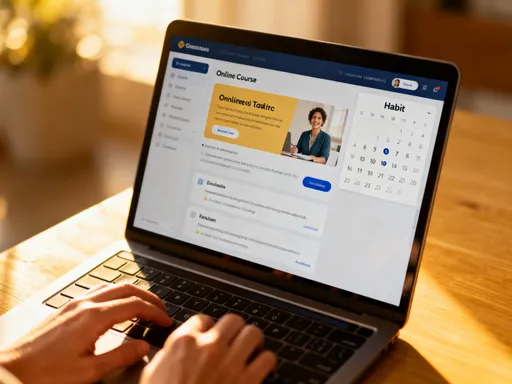
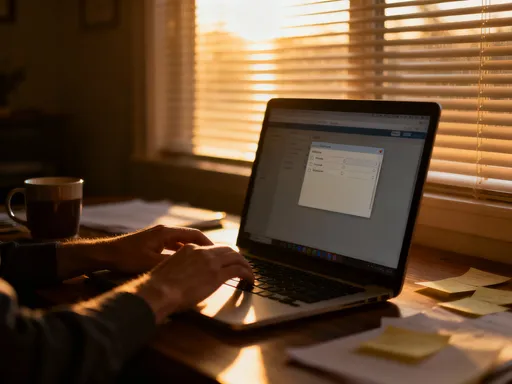
Remember those mornings when you wake up with the best intentions—maybe even a written list of things to do—only to have everything derailed by the first ping of your phone? That used to be me, every single day. I’d sit down with a cup of coffee, open my laptop, and before I knew it, I was scrolling through emails, answering messages, jumping into last-minute calls. By lunchtime, I’d feel tired but couldn’t name one meaningful thing I’d finished. Sound familiar?
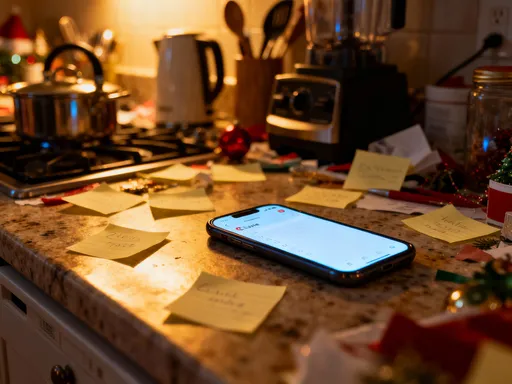
What I didn’t realize then was that I was mistaking motion for progress. Being busy isn’t the same as being productive. In fact, the more reactive I was, the less control I had over my time and energy. My afternoons often disappeared into 'urgent' requests that weren’t actually important. Evenings were spent trying to catch up, only to feel guilty for not being present with my family. I wasn’t lazy—I was just scattered, pulled in too many directions without a real strategy.
And the worst part? I thought this was normal. I believed that if I just worked harder, stayed later, or multitasked more efficiently, I’d eventually get ahead. But the truth is, I wasn’t building momentum—I was running in place. That constant cycle left me emotionally drained, mentally foggy, and quietly frustrated. I was investing effort, but I wasn’t seeing growth. I wasn’t becoming better. I was just becoming more tired. It took a small shift—something so simple I almost overlooked it—to finally break that pattern.
Discovering the Power of Usage Patterns
The change started with curiosity, not discipline. One week, after yet another day of feeling overwhelmed, I asked myself a different question: not 'What should I do?' but 'What am I actually doing?' I wasn’t looking for motivation or a new app—I just wanted data. So I picked one tool I already used: a basic task manager I had installed months ago but never fully embraced. Instead of focusing on its features, I started tracking how often I opened it each day.
That’s it. No complicated analytics. No fancy dashboards. Just a simple note in my journal: 'Opened task app: 3 times today.' At first, it felt pointless. But after a few days, a pattern emerged. I noticed I rarely opened it in the morning—my most energetic hours—even though I had big projects to focus on. Instead, I’d open it late in the evening, when I was tired and just checking things off to feel accomplished. The data didn’t lie: I was avoiding my most important work when I had the most energy to do it.
This was a wake-up call. I wasn’t failing because I lacked tools or time. I was failing because my behavior didn’t match my intentions. I wanted to be focused and proactive, but my actual habits were reactive and delayed. The tool wasn’t the problem—it was my relationship with it. And that realization changed everything. I stopped blaming myself for being 'unproductive' and started asking better questions: Why was I avoiding mornings? What was I really doing instead? Was I using technology to support my goals, or was I letting it control my rhythm?
From that point on, I shifted from chasing productivity hacks to understanding my own patterns. I wasn’t trying to become someone else—I was learning to work with who I already was. And that made all the difference.
From Data to Self-Awareness: What My Clicks Revealed
When I started reviewing my usage logs—just a simple tally of how many times I opened my task app each day—I began to see things I’d been blind to. It was like looking at a map of my attention. The numbers weren’t about judgment; they were about awareness. And what they revealed surprised me.
For example, I noticed that my highest usage happened between 8 PM and 10 PM—after the kids were in bed, after dinner, after I’d already spent eight hours 'working.' That wasn’t productivity. That was compensation. I was using the app to feel like I was catching up, but in reality, I was just managing leftovers. My most creative and focused hours—between 7 AM and 11 AM—had the lowest usage. I’d be checking news sites, social media, or getting pulled into quick 'urgent' tasks that felt important but weren’t.
Another insight: on days when I opened the app fewer than twice, I felt more stressed by the end of the day—even if I’d been 'busy.' But on days when I opened it 4 to 5 times at regular intervals, I felt calmer and more in control, even if I’d done less. The act of checking in with my priorities throughout the day created a sense of grounding. It wasn’t about how much I did—it was about staying connected to what mattered.
I also started noticing emotional triggers. On stressful days, I’d open the app more frequently, almost compulsively, as if refreshing my to-do list would calm my mind. But it didn’t. It just made me feel more fragmented. On calmer days, I used it more intentionally—adding one task, checking one off, moving on. The tool reflected my inner state. It wasn’t just a productivity tracker; it was a mirror.
This wasn’t about obsessing over numbers. It was about using simple data to build self-awareness. And once I could see my patterns clearly, I could start working with them—not against them.
Building Better Habits by Designing Around Real Behavior
Here’s what I learned: willpower doesn’t build lasting habits. Design does. Instead of trying to force myself to 'wake up earlier and be more disciplined,' I started designing my routine around the patterns I’d observed. I stopped fighting my natural rhythm and began working with it.
For example, since I now knew I was most active in the app—and most focused—between 9 AM and 11 AM, I started scheduling my most important work during that window. No meetings. No email checks. Just deep work on one key project. I even set a small reminder: 'This is your power window—protect it.' And because I’d seen the data, I trusted it. I didn’t have to convince myself—it just made sense.
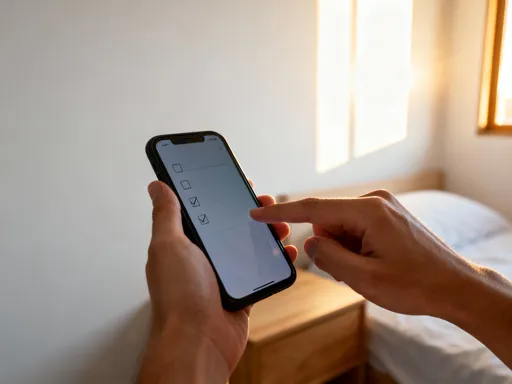
I also redesigned my evenings. Instead of using the app as a catch-up tool, I turned it into a planning ritual. For five minutes before bed, I’d review the day, mark what I’d accomplished, and add one or two priorities for tomorrow. That small habit changed everything. I stopped feeling guilty for what I hadn’t done and started feeling prepared for what I would do. My evenings became calmer, and my mornings became clearer.
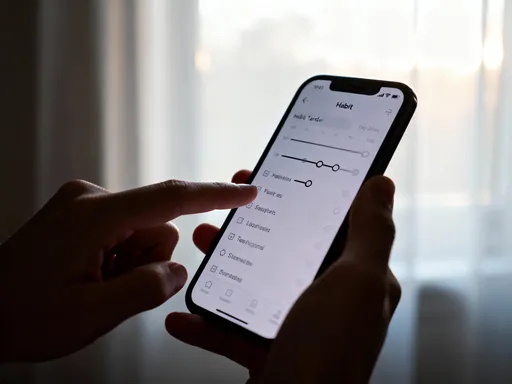
Another change: I started using notifications differently. Instead of letting every alert pull me in, I set one daily reminder at 10 AM to open the app and review my top three tasks. That single prompt helped me reset mid-morning and stay on track. It wasn’t about using the tool more—it was about using it at the right moments.
The beauty of this approach is that it’s personal. You don’t need a perfect system. You just need to pay attention. Once you know when you’re most focused, when you’re most reactive, when you’re most drained—you can design your day around those truths. And that’s when real productivity begins.
The Ripple Effect on Confidence and Growth
Here’s something I didn’t expect: as my days became more intentional, so did I. It wasn’t just about getting more done—it was about becoming someone I could trust. When I started consistently using my task app during my peak hours, I began finishing important projects. When I reviewed my progress each evening, I could actually see how far I’d come.
And that built confidence. Not the loud, flashy kind—but the quiet, steady kind that says, 'I can handle this.' I wasn’t waiting for motivation anymore. I had a rhythm. I had proof. I opened the app one morning and saw that I’d used it five days in a row during my power window. That small streak felt like a victory. It wasn’t about perfection—it was about consistency.
I also started viewing productivity differently. It wasn’t about squeezing more into my day. It was about aligning my actions with my values. When I protected my morning focus, I wasn’t just being efficient—I was honoring my energy. When I ended my day with reflection, I wasn’t just checking boxes—I was practicing self-care.
And that shift changed how I saw myself. I wasn’t a mom who was always behind. I wasn’t a professional who was barely keeping up. I was someone who was learning, growing, and making thoughtful choices. That sense of progress wasn’t just on the screen—it was inside me. The tool didn’t transform my life. It helped me see that I already had the power to do that.
Sharing the Shift: How My Team Began to Change
One day, a colleague asked me, 'How do you stay so calm during busy weeks?' I didn’t have a dramatic answer. I just said, 'I pay attention to when I actually use my task app—and I plan around that.' She looked skeptical, but a week later, she messaged me: 'I tried it. I’m using my planner more in the mornings now, and I’ve already finished two reports ahead of schedule.'
That’s when I realized this wasn’t just a personal fix—it was a mindset shift that could spread. I started sharing what I’d learned in team meetings, not as a 'hack' but as a real-life experiment. I encouraged others to track their own tool usage for one week, just to notice patterns. No pressure. No performance reviews. Just curiosity.
What happened next surprised me. One teammate discovered she was most active in her project tool after lunch, not in the morning. So she moved her creative work to that time—and her output improved. Another realized she was checking email 20+ times a day, mostly out of habit. She turned off notifications for three hours each morning and reclaimed her focus.
We didn’t become robots. We became more human. We stopped glorifying burnout and started valuing rhythm. We stopped comparing ourselves to the 'always-on' ideal and started designing days that worked for real lives. And our team culture shifted—quietly, gently—from one of stress to one of support.
That’s the thing about small changes: they can grow. When we stop chasing perfection and start paying attention, we create space for real progress—not just for ourselves, but for everyone around us.
A Simpler, Smarter Way to Work—And Live
Looking back, I realize that my journey wasn’t really about productivity. It was about presence. It was about learning to show up for my work, my family, and myself with more clarity and care. The task app didn’t change my life—but the way I used it helped me see where my time, energy, and attention were really going.
And that awareness is priceless. When we pay attention to small behaviors—like how often we open a tool, when we check our lists, or how we respond to notifications—we start to understand ourselves on a deeper level. We stop fighting our nature and start working with it. We stop measuring success by how busy we are and start measuring it by how aligned we feel.
This isn’t about doing more. It’s about being more intentional. It’s about creating days that reflect what matters—not just reacting to what comes next. Whether you’re managing a household, building a career, or growing into the person you want to be, the tools you use can become mirrors, guides, and allies.
So here’s my invitation to you: pick one tool you already use. Just one. And for one week, notice how often you open it. Don’t judge. Don’t fix. Just observe. You might be surprised by what your clicks reveal. And from that simple act of attention, a more focused, confident, and meaningful way of living can begin. Because real transformation doesn’t come from big overhauls—it comes from small, consistent choices that add up to a life that feels truly yours.