I kept saying 'I’ll write it down later'—now my kids know our family’s stories
We’ve all promised to record a parent’s story, only to postpone it until it’s too late. That regret haunted me—until I discovered how simple technology can preserve what matters most. No more lost memories, no more excuses. Just real moments, easily saved and deeply cherished. This isn’t about fancy gadgets; it’s about connection. And it’s simpler than you think. I used to tell myself I’d write it down later—my mom’s laugh when she told that one joke, my dad’s voice describing how he met her, the way my grandmother described growing up in a different country. But ‘later’ never came. And then one day, I realized something had shifted. My parents were quieter. Their stories came less often. And I panicked—because I hadn’t saved any of it. Not really. Not in a way that could live beyond a fading memory. That’s when I started using the tools I already had. And everything changed.
The Moment I Realized We Were Losing Our Stories
It happened on a quiet Sunday afternoon. My father was sitting in his favorite armchair, sunlight falling across his hands as he stirred his tea. Out of nowhere, he began telling me about the summer he worked on the railroad when he was sixteen. Not just the job—but the smell of hot metal, the sound of the whistle at dawn, the way the foreman used to hand out lemon drops to the boys who showed up early. I’d never heard this story before. And as I listened, something inside me clenched. Why hadn’t I asked about this sooner? Why hadn’t anyone recorded it?
That moment hit me like a wave. How many other stories had slipped through our fingers? My mother’s childhood Christmases. My aunt’s journey across the ocean. The little jokes, the nicknames, the inside family sayings no one outside our circle would ever understand. These weren’t just memories—they were pieces of who we are. And they were disappearing. Not with a bang, but with silence. I realized then that our family’s history wasn’t being passed down. It was evaporating, one forgotten conversation at a time. And the scariest part? We didn’t even notice it was happening until it was too late.
I started asking friends if they’d had similar experiences. Almost every woman I spoke to—mothers, daughters, sisters—nodded slowly, eyes clouding over. ‘I wish I’d asked more,’ they’d say. ‘I remember her voice, but I can’t hear it anymore.’ There’s a quiet grief in that loss, one that doesn’t make noise but settles deep in the chest. It’s not just about missing the facts. It’s about missing the feeling—the warmth, the humor, the rhythm of a loved one’s voice. And once that’s gone, no amount of research or imagination can bring it back. That’s what made me decide: I wouldn’t let this happen with my kids. I wouldn’t let them grow up wondering what their grandparents were really like.
Why We Keep Waiting (And Why It’s Costing Us)
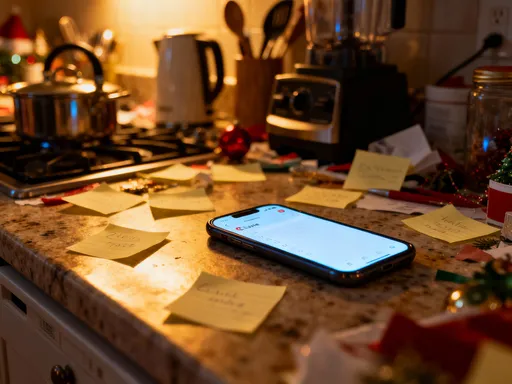
We tell ourselves we’ll do it later. ‘Next visit.’ ‘When things slow down.’ ‘When I have more time.’ But the truth is, time doesn’t slow down. And people don’t stay the same. I’ve learned that the biggest obstacle to preserving family stories isn’t technology—it’s hesitation. We wait for the perfect moment that never comes. We think we need the right notebook, the perfect questions, a quiet room with no distractions. But life doesn’t work that way. Real stories happen in the mess—the kitchen, the car ride, the grocery store line. And if we’re not ready to catch them, they’re gone.
I used to think I wasn’t the right person to do this. Who was I to ask my parents about their past? What if I asked the wrong thing? What if I didn’t know how to write it down ‘properly’? But here’s what I’ve realized: no one is the ‘right’ person. That’s the myth we’ve been sold. We think storytelling is for historians or writers. But it’s not. It’s for anyone who loves someone enough to want to remember them. The fear of doing it wrong keeps so many of us frozen. But doing it imperfectly is still doing it. And that’s better than doing nothing.
Another reason we wait? We assume our parents will always be there. We don’t like to face the fact that they’re aging. That one day, the chair will be empty. So we avoid the conversation because it feels too heavy, too close to loss. But avoiding it doesn’t protect us. It only steals time. I’ve talked to women whose parents passed suddenly, leaving behind a silence they didn’t see coming. No warnings. No final stories. Just absence. And they carry the weight of that every day. It doesn’t have to be that way. We don’t need grand gestures. We just need to start—now, while the voices are still here to be heard.
How Recording Stories Became Easier Than Making Coffee
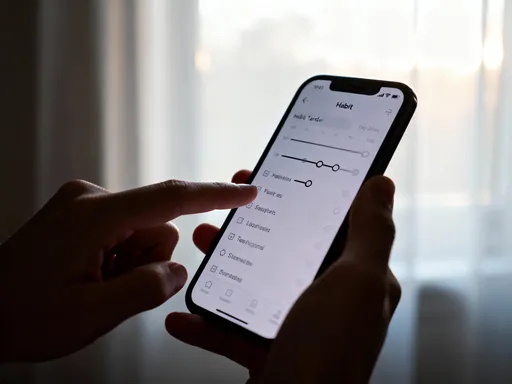
I used to think preserving stories meant hours of interviews, expensive equipment, and editing skills I didn’t have. I imagined sitting with a microphone and a list of formal questions, turning a family visit into something that felt like work. No wonder I kept putting it off. But then I tried something different. I pulled out my phone—yes, the same one I use to check the weather and scroll through recipes—and hit ‘record’ during a casual chat with my mom. Just a five-minute conversation about her first job. No setup. No script. Just her voice, telling me how she used to walk three miles to the diner because she couldn’t afford the bus.
And just like that, I had it. Her voice. Her laugh. The little pause she makes when she’s thinking. I saved it in a folder on my phone labeled ‘Mom’s Stories.’ Simple. Safe. Done. That small act changed everything. I realized I didn’t need special tools. I already had everything I needed. Most of us carry a powerful recording device in our pockets every day. The voice memo app. The camera. Cloud storage. These aren’t just for selfies or grocery lists. They’re for saving what lasts longer than photos—sound, emotion, presence.
I started small. After dinner, I’d ask my dad one question: ‘What was school like when you were my age?’ Or I’d show my grandmother an old photo and say, ‘Tell me about this day.’ I’d record it right there, no fuss. Sometimes the audio wasn’t perfect. There was background noise, a dog barking, the kettle whistling. But that didn’t matter. In fact, it made it feel more real. Those sounds are part of our lives. They’re part of the memory. Over time, those little clips became a collection—a library of voices, laughter, and wisdom. And the best part? My kids started listening. They’d hear Grandma’s voice describing her first snowfall and say, ‘That’s so cool. I never knew that.’
Turning Conversations Into Keepsakes (Without Any Pressure)
You don’t need to turn every family gathering into an oral history project. That’s the beauty of it—this doesn’t have to feel like a chore. It can be as natural as asking, ‘How was your day?’ The key is to make it part of your rhythm, not an interruption. I’ve found that the easiest way to start is with one question. Just one. ‘What’s your favorite memory from childhood?’ ‘What made you fall in love with Dad?’ ‘What was the bravest thing you ever did?’ You’d be surprised how much one question can unlock.
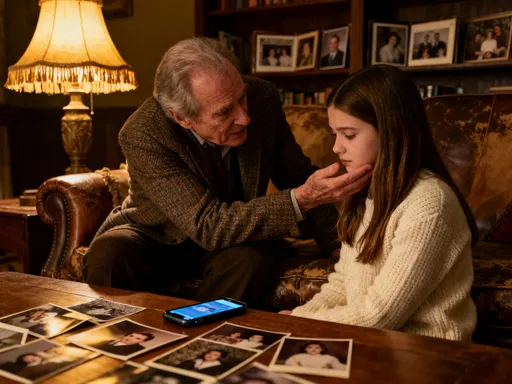
Photos are another powerful tool. Pull up an old family picture on your phone and say, ‘Tell me about this.’ Instantly, you’ve opened a door. I did this with my aunt last summer. We were cleaning out an old box, and I found a faded photo of her in a polka-dot dress, standing in front of a diner. I showed it to her and asked, ‘Who’s that?’ She laughed and launched into a story about her first date, how she spilled milkshake on her dress, and how the boy didn’t care. I recorded it right then. Now that moment lives in my phone—and someday, in my daughter’s.
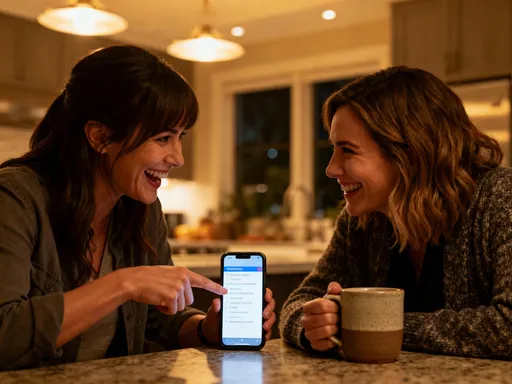
Car rides are golden. No distractions. Just time. I’ve started asking my mom questions on the way to the store. ‘What was Mom like as a kid?’ ‘What did Grandma used to cook on Sundays?’ It feels easy, conversational. No pressure. And because it’s audio, I don’t have to worry about writing fast or getting every word right. I just listen. And later, I save the file. I’ve also used family apps that let us share stories in a private group. My siblings upload clips, my nieces add their own memories, and suddenly, we’re building something together—a living archive of who we are. No expertise needed. Just care.
When the Stories Came Back to Life
The first time I played back a recording at a family gathering, I wasn’t sure how people would react. We were all sitting around the table after Thanksgiving dinner, the kids running around, the dishes still on the counter. I said, ‘Hey, listen to this.’ I played a clip of my grandfather telling the story of how he proposed to my grandmother—how he practiced in front of the mirror, how nervous he was, how she said yes before he even finished the sentence. The room went quiet. Then someone laughed. Then someone else. And then my cousin wiped her eyes and said, ‘I miss him so much. But it’s like he’s right here.’
That moment changed everything for me. It wasn’t just about saving the past. It was about bringing it into the present. My kids, who never met my grandfather, leaned in. They heard his voice. They felt his humor. They connected with him in a way that a written summary could never deliver. And something else happened—people started sharing more. My uncle told a story he’d never told before. My sister remembered something our mom used to say. The recording didn’t just preserve a memory. It sparked new ones.
Since then, I’ve seen how these small recordings can heal. A cousin who’d been distant started calling more after hearing her dad’s voice in one of the clips. A niece asked to interview her mom after seeing how much we valued these stories. It’s not magic. It’s just presence. When we take the time to listen and save, we’re saying, ‘You matter. Your life matters. I want to remember you.’ And that message? It echoes. It reaches people in ways we don’t always see right away. But it’s there—building connection, one voice at a time.
It’s Not About Perfection—It’s About Presence
I used to worry about doing it right. Was the audio clear? Did I ask the best questions? Was I capturing enough detail? But over time, I’ve learned that the messy moments are often the most meaningful. The pauses. The ‘umms.’ The times when someone starts a story, forgets where they were going, and laughs. That’s not failure. That’s real life. That’s love. I don’t need polished narratives. I need truth. I need the sound of my mom’s voice when she talks about missing her own mother. I need my dad’s chuckle when he tells a joke no one else finds funny.
Perfection is the enemy of progress. If I’d waited until I had the perfect setup, the perfect questions, the perfect moment, I’d still be waiting. But by starting small—by accepting ‘good enough’—I’ve built something priceless. Consistency matters more than quality. One minute today. Two minutes next week. It adds up. And over time, you realize you’ve created something no one else could: a legacy of voice, emotion, and connection.
Our kids don’t need flawless recordings. They need authenticity. They need to hear that their grandmother was nervous on her first day of school. That their grandpa once got lost in a city and made a friend who helped him find his way. These aren’t grand achievements. They’re human moments. And that’s what shapes identity. When our children hear these stories, they don’t just learn about the past. They learn that they belong to something bigger. They learn that their family is made of real people—flawed, funny, loving people who lived full lives. And that gives them roots. It gives them strength.
Start Before You’re Ready—Your Family Will Thank You
You don’t need permission to begin. You don’t need to be a tech expert. You don’t need special equipment. You just need a phone, a moment, and the willingness to press ‘record.’ That’s it. I promise you—your family will thank you. Not just in words, but in the way your children hold those stories close. In the way your siblings smile when they hear a familiar voice. In the quiet comfort of knowing that even when someone is gone, their presence remains.
This isn’t about technology for its own sake. It’s about using what we have to protect what we love. It’s about turning everyday tools into vessels of memory. A voice memo app becomes a time machine. A cloud folder becomes a treasure chest. A simple question becomes a gift. And over time, those small acts build something unshakable—a record of love, laughter, and belonging.
So don’t wait. Don’t tell yourself you’ll do it later. Pick up your phone. Ask one question. Press record. Save the moment. You don’t have to do it all at once. You just have to start. Because one day, your child will play that recording and say, ‘I remember Grandma’s voice. I know where I come from.’ And in that moment, you’ll know—you did something that matters. You turned time into connection. You made love last longer. And that? That’s the quiet power of a single click.