I Thought My Hobby Was Just a Distraction—This App Helped Me Protect It and Myself
Have you ever shared your passion online, only to feel exposed or misunderstood? I did. I started sketching in public parks, posting my drawings on a learning app, and slowly realized my digital footprint was growing faster than my skills. It wasn’t until a stranger commented with unsettling detail that I questioned: Who’s really watching? That moment changed how I use interest-based apps—forever. What began as a joyful escape—capturing sunsets, trees, and quiet corners of the city with pencil and paper—suddenly felt like it came with invisible risks. I didn’t sign up to be tracked. I just wanted to grow, connect, and create. But the truth is, when we share our hobbies online, we’re not just sharing art or progress—we’re often sharing more than we realize.
The Moment I Realized My Passion Was No Longer Private
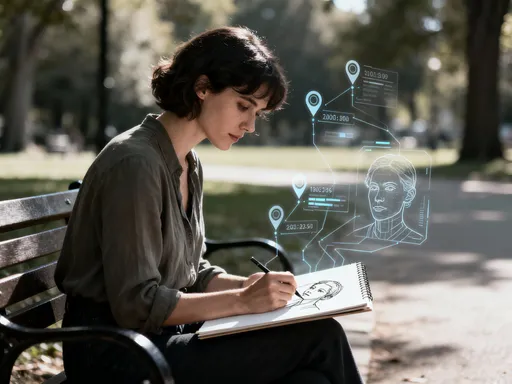
It started so innocently. I downloaded a popular interest-based learning app to improve my sketching. Every weekend, I’d sit in my favorite park, sketchbook open, coffee in hand, drawing the way light fell across the river or how leaves curled at the edges in autumn. When I felt proud of a piece, I’d snap a photo and post it with a little caption: “Another peaceful morning at Willow Bend Park. Loving how my shading is improving!” People liked it. Some even commented, “You’re getting so good!” and “I wish I had your patience.” It felt wonderful—like being seen for something I truly loved.
But then came the comment that changed everything. Someone wrote, “Love your bench by the water—you always seem to be there around 9 a.m. on Saturdays. The light really is perfect then.” My stomach dropped. I hadn’t mentioned the bench, the time, or that I went every Saturday. But when I looked back at my posts, I realized it was all there—just scattered across different photos and updates. One post showed my coffee cup with the park path behind it. Another included a shadow stretching east—meaning morning light. A third had a date stamp and a background with a distinctive lamppost. Piece by piece, someone had put it together.
That’s when it hit me: my hobby wasn’t just mine anymore. It had become a trail of clues. I wasn’t just sharing my art—I was sharing patterns, habits, and personal rhythms without meaning to. I didn’t feel celebrated anymore. I felt watched. And worse, I realized I wasn’t alone. So many of us—especially women, mothers, and those rebuilding hobbies after years of putting others first—turn to apps to rediscover ourselves. We share our progress, our routines, our quiet joys. But we don’t always stop to ask: who else is seeing this? And what could they do with it?
How Interest Apps Connect Us—And Expose Us
Let’s be honest: these apps are designed to feel warm and welcoming. They promise growth, community, and inspiration. You upload a sketch, a recipe, a guitar riff, or a knitting project, and suddenly, you’re not alone. Others cheer you on. You join challenges. You follow creators you admire. It feels like finding your people. And in many ways, it is. But beneath that friendly surface, there’s another layer—one most of us don’t see until something feels off.
Interest-based apps thrive on data. Not just your posts, but your behavior. When you log in, how long you spend viewing others’ content, what time of day you’re most active, which tutorials you replay—every click is recorded. And then there’s the metadata. That photo of your watercolor painting on the kitchen table? It might carry a geotag showing exactly where you live. That voice note you sent in a music challenge? It could reveal your voice, your accent, even background noises like a barking dog or a child calling from another room.
I started paying attention. I noticed how often I’d casually mention, “Back at the riverside again!” or “Another late-night sketch session.” Harmless, right? But when combined with location data, posting times, and visual details, those little updates paint a detailed picture. A determined person—or even an algorithm—could map my routine. And it wasn’t just me. I asked a few friends who use similar apps, and most admitted they’d never thought about it. “I just want to learn,” one said. “I don’t think about who’s watching.” But the truth is, someone always is. Whether it’s advertisers, data brokers, or just curious strangers, our digital lives leave traces we can’t always control.
That doesn’t mean we should stop sharing. Our passions matter. They’re part of who we are. But we need to share more mindfully. Because connection shouldn’t come at the cost of safety. And visibility shouldn’t mean vulnerability.
The Hidden Data Behind My Daily Creative Ritual
After that unsettling comment, I decided to dig deeper. I went into my app settings and reviewed what data I was actually sharing. What I found surprised me. First, geotagging was turned on by default. Every photo I’d uploaded had a tiny digital stamp showing exactly where it was taken—not just the park, but the specific bench, the path, even the angle of my seat. I never knew this was happening. I thought I was just sharing a drawing.
Then there was facial recognition. The app used AI to analyze uploaded images, not just for content moderation, but to improve recommendations. That meant if I ever included myself in a photo—say, holding up my sketch with a smile—the system could detect my face, track it across posts, and link it to my account. Even if I didn’t tag myself, the app could. And once that data exists, it’s hard to fully erase.
I also discovered that my login sessions were persistent across devices. I used the app on my phone, tablet, and laptop. Each time, it remembered me, stored my activity, and synced my data. Convenient? Yes. But it also meant that if any of those devices were ever compromised, my entire creative journey—posts, messages, contacts—would be accessible. And the behavioral tracking was extensive. The app logged when I sketched, how often, what themes I returned to (nature, architecture, people), and even how long I paused on certain tutorials. All of it was labeled “personalized learning support,” but it was really a detailed behavioral profile.
I hadn’t agreed to this consciously. I’d just tapped “Accept” on the permissions screen without reading. Like so many of us, I wanted to get started quickly. I didn’t realize that “allow location access” or “enable camera uploads” came with long-term consequences. And I certainly didn’t know that some of this data could be shared with third-party partners for analytics or advertising. The app wasn’t doing anything illegal. But it was collecting far more than I expected—and I had no real control over it.
Small Changes, Big Protection: What I Started Doing Differently
I didn’t want to give up the app. I’d made real progress. I’d connected with kind, talented people. I’d found joy in creating again. But I wanted to do it safely. So I made changes—simple ones, but powerful. First, I turned off location tagging. Now, when I upload a photo, it doesn’t carry my whereabouts. I also started cropping images more carefully, removing backgrounds that might reveal too much—like street signs, house numbers, or unique landmarks.
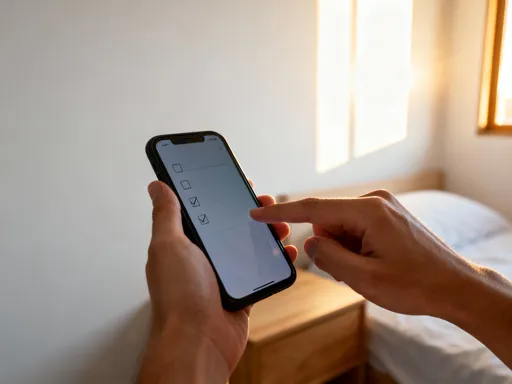
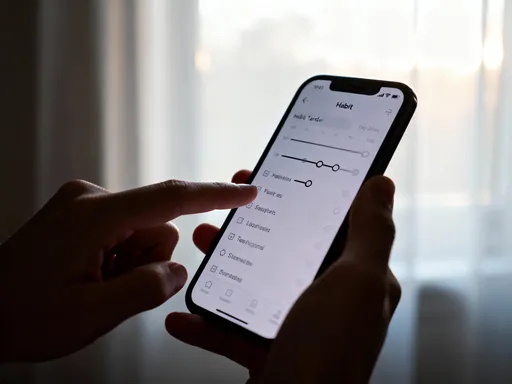
I reviewed my app permissions every month. I disabled microphone access (I don’t record voice notes), turned off contact syncing, and limited background data usage. I also started using screen recordings instead of live videos when sharing tutorials. That way, I could control exactly what was shown—and what wasn’t. No accidental glimpses of my home, my family, or my routine.
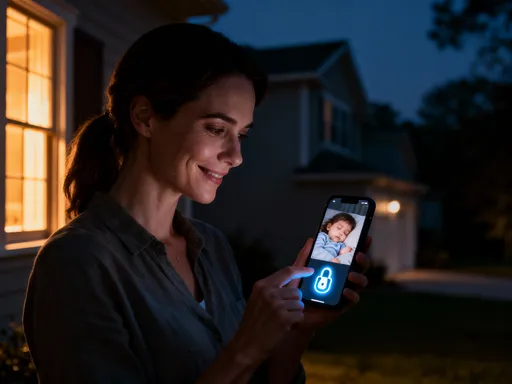
One of the most important steps? Separating my identity. I created a pseudonym for my creative profile—something that felt authentic but didn’t include my real name or personal details. I set up a dedicated email address just for the app, not linked to my personal or work accounts. And I enabled two-factor authentication so that even if someone guessed my password, they couldn’t get in without my phone.
These changes didn’t slow me down. If anything, they gave me more freedom. I no longer hesitated before posting. I didn’t worry about who might be piecing things together. I could focus on my art, my growth, my joy—without the quiet fear in the back of my mind. Protecting my privacy didn’t make me paranoid. It made me empowered.
Teaching My Teen the Same Lessons—Without the Fear
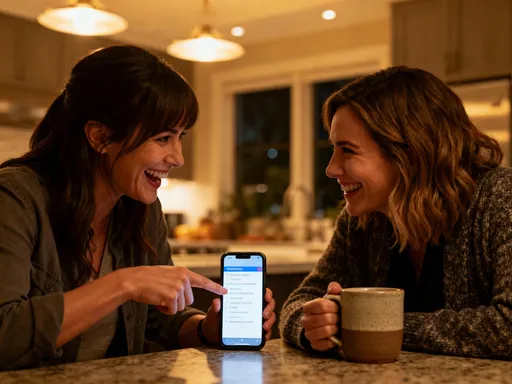
When my niece, Maya, told me she’d downloaded the same app to learn guitar, my first instinct was to say, “Don’t.” But I stopped myself. She’s 15, bright, curious, and eager to share her music. Telling her to stay offline wouldn’t protect her—it would just push her to do it secretly. Instead, I invited her over for a “digital safety afternoon.” We made tea, sat at the kitchen table, and set up her account together.
I didn’t scare her. I didn’t say, “Someone could find you.” Instead, I said, “Let’s make sure you’re in control of your story.” We picked a username that didn’t include her real name or school. We turned off location sharing. We practiced posting a photo of her guitar—without showing her face or the room behind her. We talked about what kinds of details feel safe to share (like “practicing a new chord!”) and what might not (like “home alone all weekend”).
She still posts regularly. She’s even joined a virtual band with other teens from around the country. But now, she knows how to protect herself. She reviews her privacy settings every few weeks. She thinks before she shares. And she understands that her digital footprint is part of her identity—one she gets to shape.
This experience taught me something important: teaching privacy isn’t about fear. It’s about respect. Respect for our time, our space, our safety. And for women—especially mothers, caregivers, and those rebuilding their sense of self after years of giving to others—this is crucial. We deserve to explore our passions without anxiety. We deserve to grow, create, and connect on our own terms.
Why Security Shouldn’t Be an Afterthought in Learning Apps
As I made these changes, I started exploring other apps—ones that take privacy more seriously from the start. And I found some that do. The best ones don’t bury settings in confusing menus. Instead, they have clear privacy dashboards that show you exactly what’s shared and with whom. Some offer private modes, where only approved followers can see your content. Others let you set posts to disappear after a week—perfect for sharing progress without leaving a permanent trail.
I found apps that ask for permission before using facial recognition or voice analysis. Some even let you opt out of data collection entirely, without losing core features. And a few offer encrypted backups—so if you ever need to recover your work, it’s protected. These aren’t fancy extras. They’re essentials. Because when an app helps you learn, grow, and express yourself, it has a responsibility to protect you while you do it.
I also noticed a shift in tone. The best apps don’t make privacy feel technical or scary. They frame it as part of your creative journey. Messages like “Stay in control of your story” or “Share boldly, stay safe” make protection feel empowering, not restrictive. They understand that for many users—especially women in midlife rediscovering a hobby—feeling safe is the first step to feeling free.
Developers need to stop treating privacy as a legal checkbox and start seeing it as a core part of user experience. Because when we feel secure, we engage more deeply. We take risks. We create boldly. We stay longer. Safety isn’t the opposite of connection. It’s the foundation.
How Protecting My Data Helped Me Grow—Not Just Stay Safe
Here’s what surprised me most: once I felt in control, I didn’t withdraw. I leaned in. I joined advanced sketching courses. I collaborated with other artists on a digital zine. I even launched a small weekly series called “Sketching the Quiet Moments,” where I share drawings of overlooked urban details—a cracked sidewalk, a rusted gate, a bench with a missing slat. People love it. But more than that, I love it.
Because now, I’m not holding back. I’m not second-guessing every post. I’m not wondering who’s watching. I’ve learned to share with purpose—to post not just for likes, but for connection, growth, and joy. And in protecting my data, I’ve protected something deeper: my sense of self.
This journey taught me that in the digital age, personal growth isn’t just about learning a skill. It’s about learning balance. It’s about knowing when to open up—and when to pause. When to share—and how to protect. It’s about honoring our passions while respecting our boundaries.
So if you’re using an app to learn, create, or connect—whether it’s for painting, cooking, writing, or playing music—I hope you’ll take a moment to check your settings. Not because you should be afraid, but because you deserve to thrive. Your hobby isn’t a distraction. It’s a part of you. And with a little awareness, a few smart steps, and the right tools, you can protect it—and yourself—without giving up what you love.
Because the most beautiful creations often come from a place of peace. And peace starts with feeling safe.