More Than Scheduling: How Project Tools Helped Me Balance Work, Health, and Life
You know that constant feeling of juggling work deadlines, meal plans, and family time—like you're one missed step away from dropping everything? I felt it too, until I started using project management platforms in a way no one talks about: to organize not just tasks, but my eating habits, energy levels, and personal goals. It wasn’t about productivity for work—it was about creating space to breathe, eat well, and show up fully. Let me tell you how tech quietly changed my life.
The Overwhelm That Started It All
I used to think I had it all figured out—at least at work. My team relied on me to keep projects on track. I could manage timelines, delegate tasks, and meet deadlines without breaking a sweat. But at home? That was a different story. No matter how hard I tried, I couldn’t stick to a routine that included healthy meals, regular movement, or even just a few quiet moments to myself. My days blurred together: late-night emails, last-minute grocery runs, and dinners pulled from the freezer because I hadn’t planned ahead. By 3 PM, my energy would crash so hard I’d reach for sugary snacks just to stay awake. Weekends weren’t restful—they were catch-up marathons.
One evening, after burning dinner for the third time that week, I sat on the couch with a bowl of cereal at 8 PM, feeling defeated. I looked at my phone and saw a notification from the project tool I used at work—reminding me of a team check-in. And it hit me: I was using powerful systems to keep my professional life organized, but I had nothing in place for my personal well-being. That disconnect felt like a light switch flipping. What if I applied the same structure I used at work—clear goals, timelines, accountability—to my health and daily habits? It wasn’t about becoming more efficient. It was about giving myself the same care and attention I gave to my job.
I didn’t need another app promising quick fixes. I needed a way to make real change stick. And strangely, the tools I already knew and trusted—project management platforms—felt like the most natural place to start. They weren’t designed for meal planning or mood tracking, but that didn’t mean they couldn’t be adapted. I just had to think differently about what a ‘project’ could be.
From Task Lists to Meal Plans: A Mindset Shift
The first thing I realized was that I’d been approaching healthy living all wrong. I kept setting goals like “eat healthier” or “lose a few pounds,” but those were too vague, too big, and too easy to ignore. They didn’t come with deadlines, steps, or ways to measure progress. No wonder I kept falling off track. Then I asked myself: what if I treated eating well like a real project—something with a plan, milestones, and regular check-ins?
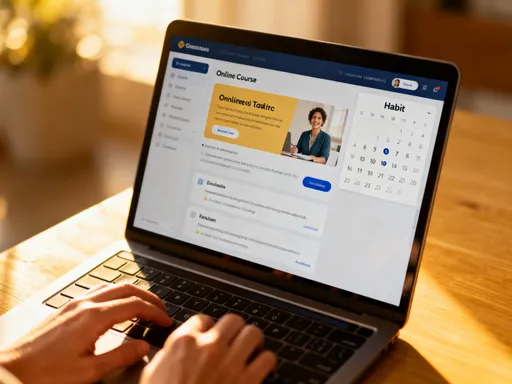
So I opened my project management tool and created a new board titled “Nourish Me.” I broke it down into phases: Plan, Prep, Execute, and Reflect. The Plan phase included setting weekly goals—like “include veggies in three meals a day” or “drink more water.” Prep meant shopping and batch-cooking. Execute was about sticking to the plan during the week. And Reflect? That was my Sunday evening ritual: looking back at what worked, what didn’t, and what I wanted to adjust.
I assigned myself as the owner of every task—no delegating this one!—and set recurring check-ins every Sunday. I even added a simple progress bar. Suddenly, eating well didn’t feel like a vague, guilt-inducing goal. It felt like something I was actively building, step by step. I could see my progress. I could celebrate small wins. And when I slipped up? It wasn’t failure—it was feedback. That shift in mindset made all the difference. Instead of feeling like I was struggling to “be good,” I felt like I was learning, adjusting, and growing.
Choosing the Right Platform for Real Life
Not every tool is built for personal life management. I tried a few at first—some were too rigid, like spreadsheets that felt more like homework. Others were too flashy, with so many features I ended up overwhelmed and distracted. I needed something simple, flexible, and easy to use on my phone while I was at the grocery store or waiting in the school pickup line.
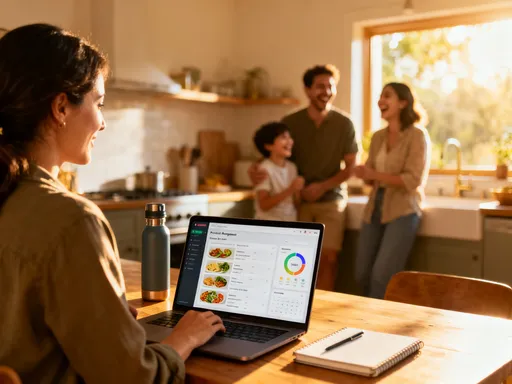
The one that finally worked for me was a visual board-style platform—think digital sticky notes you can move around. It let me create columns for each day of the week, with cards for meals, snacks, and prep tasks. I could add photos of recipes, link to grocery lists, and even attach notes about how I felt after eating certain foods. The beauty was in its simplicity. I didn’t need training. I didn’t need to learn new jargon. I just dragged and dropped.
But the real test was whether it fit into my life without adding stress. I didn’t want to spend an hour every Sunday planning—so I kept it short and sweet. Fifteen minutes to map out the week’s meals. Ten minutes to generate a grocery list. Another five to assign prep tasks to specific days. That was it. The tool didn’t demand perfection. It just gave me a clear place to start. And because it was on my phone, I could check in anytime—like when I was at the store and needed to know if I had spinach for the Tuesday stir-fry.
What mattered most wasn’t the app itself, but how it supported my rhythm. It wasn’t about tracking every calorie or logging every minute of movement. It was about creating a system that made healthy choices easier, not harder. And when the tool faded into the background—when using it felt as natural as checking my calendar—that’s when I knew it was working.
Building Habits with Workflow Design
One of the most powerful features I borrowed from project management was automation—the idea that small, consistent actions can keep a process moving without constant effort. In tech teams, automations might send a reminder when a task is overdue or move a card to “Done” when marked complete. I started using the same logic for my health habits.
For example, I set up a recurring task that popped up every Friday at 6 PM: “Review this week’s meals and plan next week’s.” It was linked to a calendar block from 6:30 to 7:00 PM—my “Nourish Me Planning Hour.” During that time, I’d reflect on what I ate, what I enjoyed, what left me sluggish, and what I wanted to try. Then I’d update the board for the coming week. Over time, this became a ritual I looked forward to—not a chore.
I also created triggers. When I added a new recipe to the board, the system automatically added a task: “Add ingredients to grocery list.” When I marked a meal as cooked, it prompted me to rate it and note how I felt afterward. These tiny nudges removed the need for willpower. I wasn’t relying on motivation to remember what to buy or how to feel. The system did it for me.
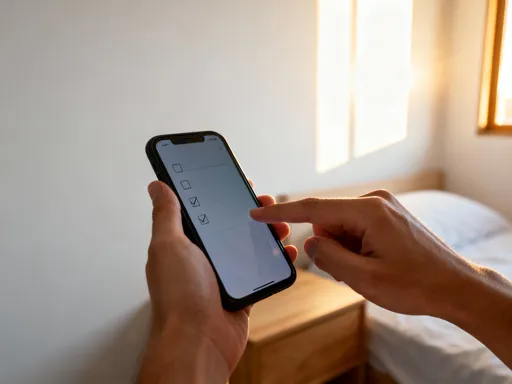
And that’s how habits started to stick. I didn’t have to decide every day whether to plan meals. The reminder was already there. I didn’t have to wonder what to cook. It was on the board. I didn’t have to scramble at the store. The list was synced to my phone. Small actions, repeated consistently, built a foundation of ease. And ease? That’s what makes change last.
Sharing the System Without Overload
At first, I kept the system to myself. It felt personal, almost private. But then my partner noticed something. “You’ve been less stressed,” he said one night. “And dinner’s been really good. How are you keeping up with it all?” I showed him the board—just the meal plan and grocery list parts. I didn’t overwhelm him with the whole system. Just the pieces that mattered for our home life.
We created a shared board for family dinners. I added the meals I’d planned, and he could see what was coming. He started offering to grill on Wednesdays. My daughter even chimed in: “Can we have tacos again?” We used a simple color code—green for meals he’d cook, blue for ones I’d handle, yellow for ones we’d do together. It wasn’t about control. It was about clarity and teamwork.
What surprised me was how much it improved our connection. We weren’t arguing about what to eat or who forgot to buy milk. We were collaborating. And because the tool handled the logistics, we had more mental space for real conversation. One Wednesday, while chopping veggies side by side, we ended up talking about our weeks, our hopes, even our favorite childhood meals. The tool didn’t replace human connection—it made room for more of it.
I also shared parts of the system with a close friend who was struggling with burnout. I didn’t tell her what to do. I just showed her how I used the board to protect my energy—blocking time for walks, scheduling screen-free evenings, and marking “recharge days” on the calendar. She adapted it in her own way. That’s the beauty of these tools: they’re not one-size-fits-all. They’re frameworks you can shape to fit your life.
Measuring What Matters: Beyond Weight and Calories
Early on, I made the mistake of tracking only what I thought I “should” track—calories, step counts, pounds. But numbers alone didn’t tell the full story. I could eat “perfectly” and still feel exhausted. Or I could have an off-day and still feel great because I’d slept well and spent time outside. So I shifted my focus.
I started using the platform to log how I felt each day—my energy, mood, focus, and even how well I slept. I added a simple rating system: 1 to 5 for each category. Over time, patterns emerged. I noticed that on days I ate more whole foods and fewer processed snacks, my energy stayed steady. On days I skipped breakfast, my focus dipped by mid-morning. When I included a walk after dinner, I slept more deeply.
These weren’t dramatic revelations, but they were powerful. Seeing the connections between my choices and how I felt made the effort feel meaningful. It wasn’t about restriction. It was about awareness. And awareness led to better choices—not because I was forcing myself, but because I could see what truly supported me.
I even started adding notes like “felt calm after yoga” or “irritable after too much screen time.” These small observations became my personal data. And when I looked at the weekly summary, I didn’t see a report card. I saw a story—a story of a woman learning to care for herself in real, practical ways. That kind of insight? That’s worth more than any number on a scale.
A Calmer, Clearer Life—One Board at a Time
This journey wasn’t about perfection. Some weeks, life got busy. A sick child, a work crisis, a forgotten grocery run—those things happened. And when they did, my board didn’t judge me. It waited. I could adjust, reschedule, or start fresh the next day. The system was flexible because life is flexible. What mattered was that I kept showing up.
Over time, something shifted. I wasn’t just eating better. I was thinking better. I had more mental clarity. I felt more in control—not because I was doing more, but because I was doing things with intention. The project tool didn’t turn me into a robot. It helped me become more human—more present, more patient, more kind to myself.
I still use it today. Not just for meals, but for personal goals—reading more, practicing gratitude, planning small family adventures. I treat each as a project worth my attention. And each one reminds me that I matter. My time matters. My energy matters. And I don’t have to choose between being a good professional, a loving partner, and a woman who takes care of herself. I can be all of those things—when I give myself the tools to do it.
If you’re feeling overwhelmed, I want you to know this: you don’t need to do more. You don’t need a perfect diet or a flawless routine. You just need a simple system that helps you show up for the life you want. And if a project management tool can help you do that—if it can bring a little more calm, clarity, and care into your days—then it’s not just tech. It’s self-respect in action. And you, my friend, are worth every bit of it.