From Chaos to Calm: How Smart Pet Tech Transformed My Daily Routine
Living with a pet brings joy—but also chaos. Ever missed a feeding time because you were stuck in traffic? Or worried about your dog’s anxiety when you’re not home? I’ve been there. As someone who loves technology and adores my furry companion, I started exploring smart pet products not for novelty, but for peace of mind. What I found wasn’t just convenience—it was a deeper connection, a smoother day, and a happier pet. This is the real story of how small tech changes brought big emotional rewards.
The Morning Madness That Changed Everything
Remember those mornings? The alarm rings, the kids are shouting, coffee spills, and you’re racing against the clock just to get out the door. And somewhere in that whirlwind, your cat stares at you with quiet disappointment because you forgot—again—to refill her bowl. I used to leave for work wondering if she’d been fed, only to realize halfway down the highway that I’d skipped her morning meal. That guilt, that nagging feeling of letting her down, stuck with me all day. She wasn’t just hungry—she was counting on me, and I kept failing her.
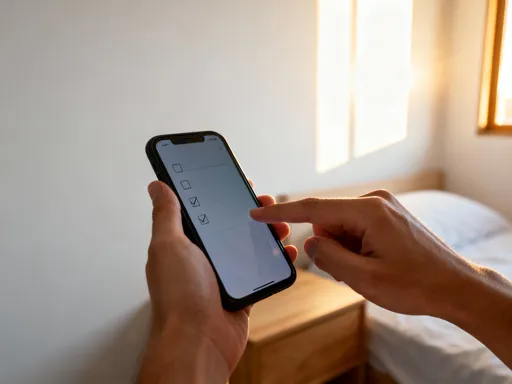
Then I discovered automated feeders. Not the clunky, unreliable kind from ten years ago, but sleek, Wi-Fi-connected devices that sync with your phone. I set mine up with a simple app, programmed her meals for 7:00 a.m. and 6:00 p.m., and added a backup alarm just in case. The first morning I actually remembered? No, wait—the first morning I didn’t have to remember, because the feeder did it for me? That’s when it hit me: this wasn’t about laziness. It was about reliability. It was about showing up for my cat, even when I was rushing.
But the real surprise came from her behavior. She stopped meowing at dawn, stopped pawing at empty bowls. Her anxiety—the pacing, the vocalizing—calmed down within days. Turns out, cats thrive on routine, and I was the inconsistent one. The feeder didn’t just feed her; it gave her a sense of security. And me? I walked out the door with one less worry, one less guilt trip, and a little more confidence that I was doing right by her. It wasn’t magic. It was just smart timing, made possible by a little box on the kitchen floor.
When Silence Feels Scary: Coming Home to Peace
There’s something about leaving your pet alone that feels like leaving a piece of your heart behind. You close the door, wave goodbye, and drive off—but part of you stays. And when you’re gone, your mind runs wild. Is the dog barking at every car? Did she knock over the trash? Is she okay? I used to dread coming home, half-expecting to find chaos—chewed shoes, overturned plants, a puddle on the rug. And sometimes, I did. But worse than the mess was the silence. When I’d walk in and she wouldn’t come running? That’s when panic set in.
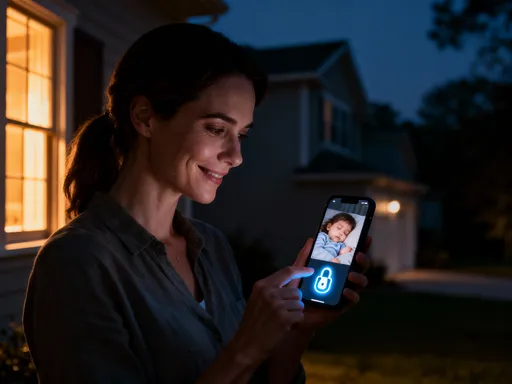
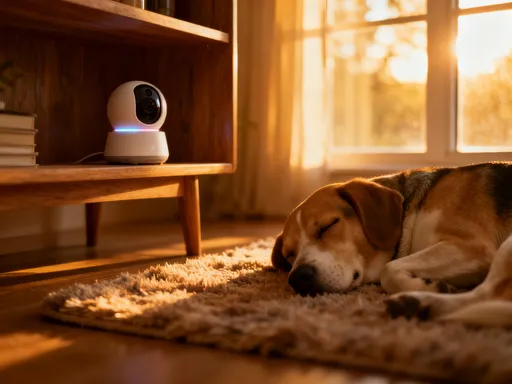
Then I got a smart pet camera. Not one of those grainy, hard-to-use gadgets, but a clear, easy-to-install device with two-way audio and night vision. I placed it in the living room, angled toward her favorite spot on the couch. The first time I checked in from work, I saw her curled up, breathing softly. I pressed the talk button and said, “Hey, sweetie, Mommy’s here.” She lifted her head, ears perked, and wagged her tail. Just like that, the distance between us shrank.
One afternoon, I noticed she was pacing, panting, tail tucked. She wasn’t herself. I spoke to her calmly, played a recorded command she knew—“Settle down, good girl”—and even triggered a treat release from the connected dispenser. Within minutes, she lay down and closed her eyes. That moment? That was the turning point. It wasn’t just about surveillance. It was about connection. I could comfort her when she needed me, even from miles away. And when I walked in the door, instead of chaos, I found peace. She wasn’t stressed. I wasn’t anxious. We were both calmer, because I could be present—even when I wasn’t physically there.
Feeding with Love, Even from Afar
We think of feeding as a basic task, right? Drop the kibble, walk away. But for pets, it’s more than food—it’s attention, it’s routine, it’s love. And when you’re not home, that connection can feel broken. My cat, Luna, had gained weight over the years. She wasn’t sick, just less active, and I wasn’t consistent with portions. I’d overfeed her when I felt guilty, underfeed when I was rushed. It was a cycle neither of us could win.
When I started using a smart feeder with portion control and scheduling, I didn’t just manage her diet—I restored balance. The app let me set exact amounts, track how much she ate each day, and get alerts if she skipped a meal. Within weeks, she began to slim down. Her energy improved. Her coat got shinier. But the real change? The emotional connection. I could still “feed” her with love, even from my desk at work.
One day, I saw her sitting patiently by the feeder on the camera. No meowing, no pawing. Just waiting. I pressed the button, released a treat, and said through the speaker, “Good girl for being patient!” She looked up, as if she heard me, and purred. That small moment meant everything. The treat wasn’t the point. The words were. The fact that I could praise her, reward her, be part of her day—it deepened our bond. Technology didn’t replace my role as her caregiver. It expanded it. I wasn’t just feeding her body. I was nurturing her trust, her confidence, her sense of being loved—even when I was miles away.
Sleep That Finally Made Sense
Let’s talk about sleep—or the lack of it. How many of us have been woken at 3 a.m. by a dog scratching at the door? Or a cat yowling from the hallway? I used to think it was attention-seeking. “She just wants to be with me,” I’d tell myself, dragging myself out of bed. But after weeks of broken rest, I started wondering: what if it’s not about attention? What if she’s trying to tell me something?
I got a smart collar with activity tracking and paired it with a motion sensor near her bed. For two weeks, I monitored her nighttime movements. The data surprised me. She wasn’t just getting up to wander—she was restless, pacing, standing up and lying down repeatedly. Her heart rate spiked during those episodes. She wasn’t being needy. She was uncomfortable.
Turns out, her orthopedic bed had flattened over time, offering little support. I replaced it with a newer, thicker one designed for older dogs. I also adjusted her evening routine—less water before bed, a short calming walk, and a cozy blanket. Within days, her nighttime activity dropped by 70%. She slept through the night. And so did I. This wasn’t about fixing a behavior problem. It was about understanding her needs. The tech didn’t make decisions for me—it gave me insight. It helped me see beyond my assumptions and respond with empathy. And the reward? Deeper sleep, less frustration, and a dog who felt truly cared for.
The Vet Visit That Wasn’t Needed
Last winter, I noticed something subtle. Luna wasn’t using her litter box as often. Not dramatically less—just a slight shift. But because I was using a smart litter box that tracks usage and duration, I had data, not just a hunch. The app showed a 20% decrease in visits over five days. My stomach dropped. UTI? Kidney issues? I braced for a vet trip, maybe even an emergency.
But instead of panicking, I watched. I checked her water intake—tracked by a smart water fountain that logs daily consumption. It had increased. Her activity levels, monitored by a small tag on her collar, were steady. No fever, no lethargy. I took it all in. And then it hit me: it wasn’t illness. It was aging. She was just more efficient. She didn’t need to go as often, and she was drinking more to stay hydrated. A small change, but one I might have missed—or overreacted to—without the data.
I still mentioned it at her next check-up. The vet agreed: no infection, just normal aging. But here’s the thing—because I had the numbers, I could have that conversation with confidence. I wasn’t guessing. I wasn’t dramatizing. I was informed. And that made all the difference. Continuous monitoring didn’t create anxiety. It prevented it. It gave me reassurance, not fear. It turned “something’s wrong” into “let’s observe,” and that calm approach kept us both from unnecessary stress—and unnecessary vet bills.
Building a Routine That Works for Both of Us
Before smart pet tech, my day felt like a series of reactions. Feed the cat? Oh, did I do that? Is the dog okay at home? Should I check the camera? When will I walk her? It was exhausting. I was always playing catch-up, always one step behind. What I didn’t realize was that I wasn’t just managing a pet—I was trying to sync two lives: mine and hers. And without tools, that sync was impossible.
Then I started connecting the dots. The feeder synced with my calendar. The lights turned on at sunset to signal bedtime. The camera sent me a daily recap at 5 p.m.—a little video of how she spent her afternoon. I set up play reminders on my phone, triggered by her activity levels. If she’d been napping all day, the app would nudge me: “Time for play!” It wasn’t about turning my home into a lab. It was about creating rhythm.
And that rhythm changed everything. I stopped feeling guilty for working late because I knew she was fed, safe, and not alone. I stopped worrying about her anxiety because I could soothe her remotely. I became more present at work because I wasn’t distracted by pet stress. And at home? I was more patient, more engaged, more available. The tech didn’t replace my care. It protected it. It gave me the space to be a better owner, a better mom, a better version of myself. Because when the small things are handled, the big things—like love, attention, connection—can finally breathe.
More Than Gadgets—A Deeper Bond
Let’s be honest: when you hear “smart pet tech,” you might picture a futuristic home with robots serving kibble and drones walking dogs. That’s not what this is. This isn’t about replacing human touch. It’s about enhancing it. It’s about using tools not to distance ourselves from our pets, but to stay closer, even when life pulls us apart.
Looking back, the devices didn’t change my pet. They changed me. They made me more aware, more attentive, more intentional. I stopped assuming I knew what she needed and started listening—through data, through behavior, through quiet moments captured on camera. I learned her rhythms, her preferences, her little quirks. And in that learning, I found a deeper love.
Technology didn’t make me a hands-off owner. It made me a more capable one. I could comfort her from work. I could catch health changes early. I could give her consistency, even on my busiest days. And that consistency? That’s love in action. It’s showing up, every day, in ways that matter.
So if you’re standing in your kitchen, late again, wondering if you fed the cat, or lying awake worrying about your dog at home—know this: you don’t have to do it all alone. You don’t have to choose between your responsibilities and your peace of mind. There are tools that can help you care better, love deeper, and live with less worry. It’s not about perfection. It’s about presence. And sometimes, the most human thing you can do is let a little technology help you be more human.