What If Your Phone Could Help You See Better Every Day?
Ever felt your eyes strain after hours of staring at screens? You’re not alone. Between work, scrolling, and late-night videos, our eyes are constantly under pressure. But what if the same device causing the fatigue could actually help protect your vision? With the right eye protection apps, your smartphone can become a personal wellness coach—reminding you to rest, adjusting to your environment, and helping you build healthier habits effortlessly. These tools don’t demand extra time or effort. Instead, they quietly support your daily rhythm, gently guiding you toward better eye care without disrupting your routine. It’s not about giving up your phone—it’s about making it work for you, not against you.
The Daily Struggle: How Screens Are Quietly Harming Our Eyes
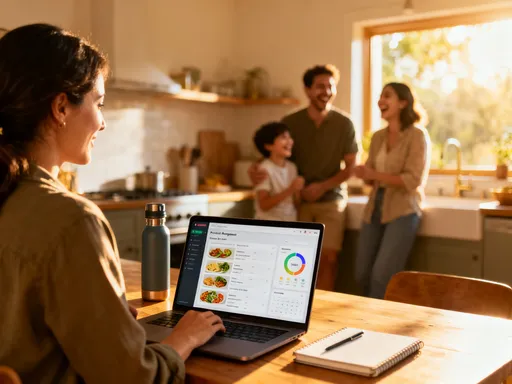
Let’s be honest—most of us spend more time looking at screens than we ever imagined we would. Whether it’s answering emails from the kitchen table, helping the kids with online homework, or unwinding with a show after a long day, our phones, tablets, and laptops have become constant companions. But that convenience comes at a cost. Have you noticed how your eyes sometimes feel dry, tired, or even a little blurry by evening? Maybe you’ve started getting more headaches, especially after back-to-back video calls or late-night scrolling sessions. These aren’t just random aches—they’re signs of digital eye strain, a common condition that affects millions of people worldwide.
Digital eye strain doesn’t hit all at once. It creeps in slowly, like a faint hum in the background of your day. You might not notice it at first, but over time, the effects add up. Staring at a screen reduces your blink rate by up to 60 percent, which means your eyes don’t stay as moist and refreshed as they should. The blue light emitted by devices can disrupt your natural sleep cycle, making it harder to fall asleep—even if you put the phone down an hour before bed. And when you’re focused on a screen, your posture often shifts without you realizing it—shoulders hunched, neck strained, eyes working harder to focus. It’s not dramatic, but it’s exhausting for your body.
Think about your typical day. Maybe you wake up and check your phone before getting out of bed. Then you’re on a work call, followed by meal planning on a tablet, then helping a child with a school assignment on the laptop. By the time you sit down to relax, you’re still scrolling—maybe catching up on news, browsing recipes, or watching a show. That’s hours and hours of screen time, often with little to no break. The truth is, we don’t have to live this way. We don’t have to choose between staying connected and protecting our eyes. With a few smart tools, we can do both—without sacrificing comfort, productivity, or peace of mind.
Meet the Helpers: What Eye Protection Apps Actually Do
Now, here’s the good news: your phone doesn’t have to be the problem. It can be part of the solution. Eye protection apps are designed to help you care for your eyes in simple, practical ways—no complicated setup, no extra gadgets. Think of them as quiet guardians in your pocket, working behind the scenes to make your screen time healthier. These aren’t flashy programs with complex features. They’re straightforward tools built around one idea: helping you see better, feel better, and stay in control.
One of the most common and effective features is the 20-20-20 reminder. You’ve probably heard of this rule—every 20 minutes, look at something 20 feet away for at least 20 seconds. It sounds simple, but most of us forget to do it. That’s where apps like Eye Care 20 20 20 come in. They send you a gentle notification at regular intervals, reminding you to pause and give your eyes a break. It’s like having a caring friend tapping you on the shoulder and saying, “Hey, take a breath. Look out the window for a moment.” These small pauses add up, reducing eye fatigue and helping your focus stay sharp throughout the day.
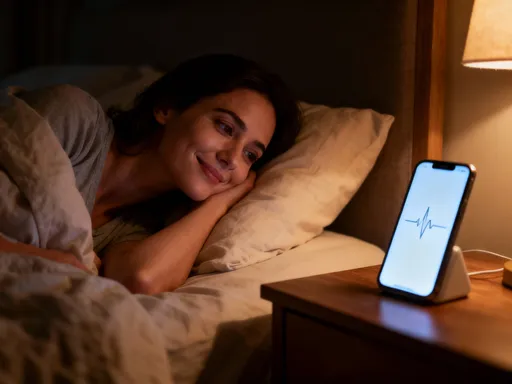
Another helpful feature is blue light filtering. Many of us use our devices late into the evening, but that blue light can interfere with melatonin, the hormone that helps us sleep. Apps like Blue Light Filter automatically adjust your screen’s color temperature as the sun goes down, shifting it toward warmer, amber tones. It’s not about making your screen look orange—it’s about reducing the kind of light that keeps your brain alert when you’re trying to wind down. You might notice that your eyes feel less strained in the evening, and you fall asleep more easily. It’s a small change that can make a real difference in how rested you feel the next morning.
Some apps also include guided blinking exercises or breathing prompts. Sounds a little odd at first, right? But when you’re focused on a task, you often forget to blink fully or take deep breaths. These mini-exercises take just 30 seconds and can be done right at your desk. Over time, they help retrain your body to stay relaxed and aware, even during busy moments. The best part? You don’t have to think about it. The app does the remembering for you, so you can focus on living your life—without the eye strain holding you back.
Beyond Filters: How These Apps Empower Real Behavioral Change
Here’s something I’ve learned from using these apps for over a year: they don’t just protect your eyes—they change how you think about screen time. At first, I saw them as simple tools, just filters and reminders. But over time, I realized they were helping me build awareness. I started noticing when I was holding my phone too close, or when I’d been scrolling for 45 minutes without a break. That awareness is powerful. It’s the first step toward real change.
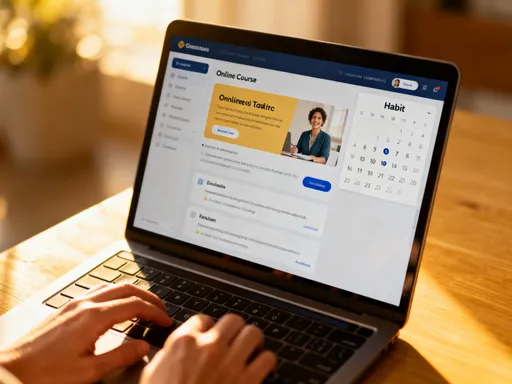
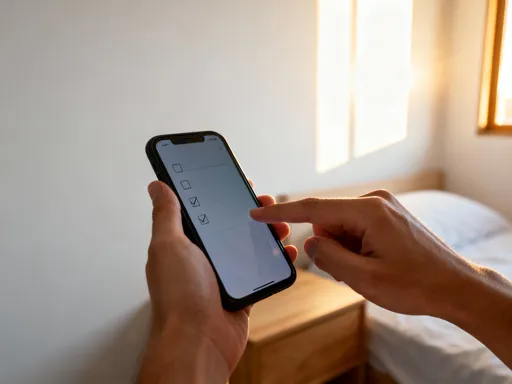
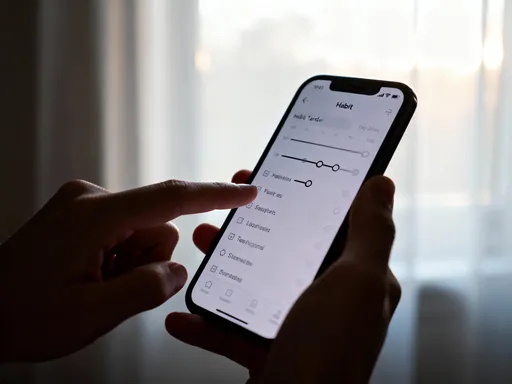
What makes these apps different from other digital tools is that they encourage small, sustainable habits. Instead of overwhelming you with goals like “reduce screen time by 50%,” they meet you where you are. Maybe today, you followed the 20-20-20 rule five times. That’s a win. Maybe you turned on night mode an hour before bed and actually fell asleep faster. That’s another win. These apps often include progress tracking, so you can see how many breaks you’ve taken or how consistent you’ve been with your settings. It’s not about perfection—it’s about progress.
I remember one week when I was especially busy—juggling work, school pickups, and a family event—and I thought, “There’s no way I’ll keep up with my eye care routine.” But the app kept sending its little reminders, and I found myself pausing more often than I expected. By the end of the week, I felt less tired, and my headaches had decreased. Looking at the app’s summary, I saw I’d completed 87% of my recommended breaks. That number made me feel proud. It wasn’t about the app—it was about what I had accomplished with its support. That sense of achievement spilled over into other areas of my life. I started drinking more water, taking short walks, and even practicing better posture. The app didn’t just help my eyes—it helped me feel more in control of my well-being.
Behavioral change isn’t about big leaps. It’s about small, repeated actions that slowly reshape your habits. These apps work because they’re gentle, consistent, and non-judgmental. They don’t scold you for using your phone too much. They simply offer a kind nudge, a moment to pause, and a chance to reset. Over time, that builds confidence. You start to trust yourself to make better choices, not because you’re being forced to, but because you feel the difference. And that’s when real transformation happens—not overnight, but one small, mindful moment at a time.
Making It Personal: Customizing Apps to Fit Your Life
One of the best things about eye protection apps is that they’re not one-size-fits-all. Life doesn’t follow a rigid schedule, and neither should your eye care routine. Whether you’re a night owl who works best after the kids are asleep, a busy mom juggling multiple responsibilities, or a student studying for exams, these apps can be tailored to fit your unique rhythm.
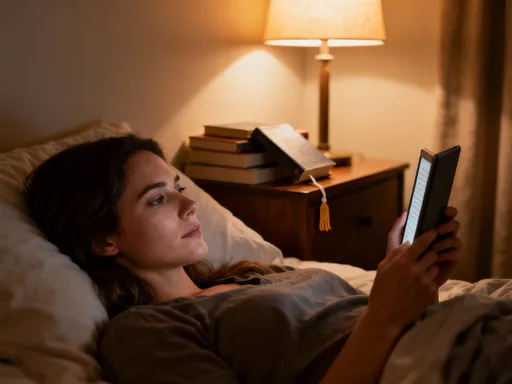
Take dark mode, for example. Many people find that switching to a darker screen reduces glare and makes reading easier, especially in low-light environments. But you don’t have to turn it on manually every evening. Most apps let you schedule dark mode to activate automatically at a certain time—say, 7:30 PM—or based on sunset in your location. You can also adjust the intensity of the filter, so it’s not too dim or too bright for your comfort. If you’re someone who reads in bed, this small customization can make a big difference in how rested your eyes feel the next morning.
Break reminders can also be customized. Instead of getting a notification every 20 minutes, you might prefer every 30 or 45 minutes, depending on your workflow. Some apps even let you choose the type of alert—a soft chime, a gentle vibration, or a voice prompt that says, “Time to rest your eyes.” If you’re in the middle of a task, you can snooze the reminder and come back to it later. That flexibility means you’re more likely to stick with it, because it feels like support, not a demand.
I have a friend who’s a nurse and works rotating shifts. She uses her eye care app to adjust based on her work schedule. On night shifts, she sets a warmer filter and shorter break intervals to combat the harsh lighting in the hospital. On her days off, she switches to a gentler routine that matches her family’s pace. Another friend, a college student, uses the app to remind her to stretch and blink during long study sessions. She even set up a custom message that says, “You’ve got this! Just take a quick break.” These personal touches make the experience feel more meaningful and sustainable. When technology adapts to you—instead of the other way around—it becomes a true partner in your well-being.
Family Vision: Protecting Kids’ and Elders’ Eyes with Shared Habits
Eye care isn’t just for adults. Our children are growing up in a digital world, often using tablets and phones from a very young age. As parents, we want to protect their developing eyes, but it’s not always easy to set limits when screens are used for learning, entertainment, and connection. This is where eye protection apps can be a game-changer—not just for us, but for the whole family.
I started using one of these apps with my 12-year-old daughter when she began doing more homework online. At first, she thought the reminders were annoying. “Mom, I’m in the middle of something!” she’d say. But I showed her how the 20-20-20 rule helped me feel less tired, and I made it a fun challenge—like a mini game to see who could remember to look out the window first. We even set up a shared goal: five breaks a day. When she reached it, she got to pick the family movie for the night. Over time, she started noticing when her eyes felt strained and would take a break on her own. It wasn’t about control—it was about teaching her to listen to her body.
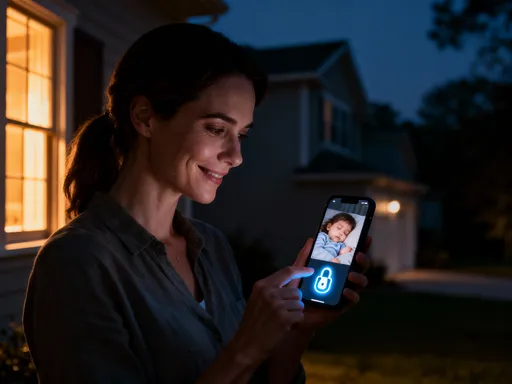
For younger kids, some apps offer cartoon-style reminders or playful sounds that make breaks feel like a treat, not a punishment. Parents can set screen time limits, enable blue light filters during homework hours, and schedule automatic bedtime modes that dim the screen and silence notifications. These features help create a healthier digital environment without constant nagging. More importantly, they model good habits. When kids see their parents taking eye breaks, drinking water, and stepping away from screens, they’re more likely to do the same.
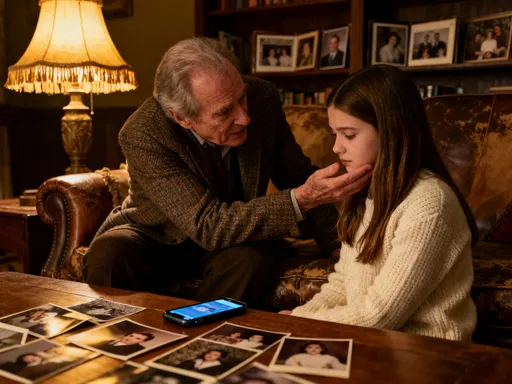
And it’s not just about kids. Many older adults also struggle with screen-related eye strain, especially as vision changes with age. My mother, who’s in her 70s, started using a simple eye care app after I showed her how it could reduce glare and make reading easier. She has a bit of sensitivity to bright light, so the automatic brightness adjustment has been a real relief. She even uses the breathing reminder during her daily news reading. It’s become part of her routine, like her morning tea. What I love most is that we now talk about it—sharing tips, celebrating small wins, and caring for each other’s well-being. Technology, when used with intention, can bring families closer, not push them apart.
Building a Healthier Routine: Pairing Apps with Simple Lifestyle Tweaks
Here’s the truth: apps are helpful, but they work best when combined with real-life habits. Think of them as the foundation, not the whole house. When you pair technology with small, everyday actions, you create a stronger, more lasting impact on your eye health.
One simple change is screen positioning. Try to keep your phone or tablet at or slightly below eye level. When your screen is too low, you end up looking down, which strains your neck and forces your eyes to work harder. Raising it—even just a few inches—can make a noticeable difference. If you’re working at a desk, use a stand or stack of books to bring your device to the right height. This small adjustment helps you maintain better posture and reduces eye fatigue over time.
Hydration is another key factor. Your eyes need moisture to stay comfortable, especially when you’re blinking less due to screen focus. Keep a glass of water nearby and take sips throughout the day. Some people even set a separate reminder on their phone to drink water—pairing it with their eye break for a two-in-one wellness boost. You’d be surprised how much better your eyes feel when your body is well-hydrated.
Then there are quick eye exercises you can do in under a minute. Try palming: rub your hands together to warm them, then gently cup them over your closed eyes without pressing. Breathe deeply for 30 seconds. The warmth and darkness help relax your eye muscles. Another is eye rolling—slowly move your eyes in circles, up, down, and side to side. It sounds simple, but it increases blood flow and reduces tension. Some apps include guided versions of these exercises, making it easy to remember and follow along.
The synergy between tech and habit is powerful. The app reminds you to take a break, and during that break, you do a quick stretch, drink water, and rest your eyes. Over time, these moments become second nature. You’re not just protecting your vision—you’re building a lifestyle that values comfort, awareness, and self-care. And that’s something no app can do alone. It takes you, your choices, and the small, consistent steps you take every day.
A Clearer Future: How Small Tech Choices Lead to Lasting Well-Being
When we think about technology, we often focus on what it can do for productivity, entertainment, or connection. But there’s another side to it—one that’s quieter but just as important. Technology can support our health, our comfort, and our peace of mind. Using eye protection apps isn’t about fearing screens or feeling guilty for using them. It’s about using them wisely—on our terms, in ways that serve us, not drain us.
Every time you follow a 20-20-20 reminder, adjust your screen’s brightness, or take a moment to blink and breathe, you’re making a quiet act of self-respect. You’re saying, “My well-being matters. My comfort matters. My long-term health matters.” These choices may seem small, but they add up to something meaningful. You start to feel more focused, less fatigued, more present in your daily life. You sleep better. You interact with your family more patiently. You carry yourself with more ease.
And when you share these habits with your loved ones—when your child takes a break without being asked, or your parent texts you to say their eyes feel better—you’re creating a culture of care. You’re showing that technology doesn’t have to come at the cost of health. It can be a tool for healing, for connection, for growth. The future of wellness isn’t in expensive gadgets or complicated routines. It’s in the simple, intentional choices we make every day—choices that honor our bodies, our time, and our lives.
So the next time you pick up your phone, remember: it can be more than a source of distraction or strain. With the right tools, it can be a partner in your well-being. You don’t have to do everything at once. Start with one app, one reminder, one small change. Let it grow from there. Because when it comes to your eyes—and your life—every little bit of care makes a difference. And that’s a future worth seeing clearly.