More than screen time: How my phone habits finally started serving my life
Remember when your phone was supposed to make life easier—but somehow made it busier? I felt that too. For years, I was constantly distracted, always reachable, yet never truly present. Then I started paying attention to how I used my phone, not just how much. Small shifts changed everything. This isn’t about quitting technology—it’s about redesigning your relationship with it. Let me show you how I turned my phone from a source of stress into a tool that supports my rhythm, my focus, and my peace. It didn’t happen overnight, and it wasn’t about willpower. It was about noticing patterns, making gentle changes, and remembering that my phone is meant to serve me—not the other way around. And honestly, once I started treating it that way, everything else in my life began to feel a little calmer, a little clearer.
The Breaking Point: When My Phone Stopped Helping and Started Hurting
It was a Tuesday evening, and I was sitting at the dinner table with my family. My youngest was telling a story—something about a squirrel he saw at school—and I realized I’d missed the first half because I was scrolling through a news app. I looked up, smiled, and said, “Sorry, sweetie, say that again?” But it wasn’t the first time. And that’s when it hit me: my phone, the thing I’d bought to stay connected, was making me feel more disconnected than ever.
That moment wasn’t dramatic, but it was real. I started noticing how often I reached for my phone without even thinking—while waiting for the coffee to brew, during commercial breaks, even while brushing my teeth. It wasn’t just about time; it was about presence. I was physically there, but mentally? I was somewhere else. I’d lie in bed at night, promising myself I’d just check one thing, and suddenly it was midnight. My mind felt foggy the next morning, and I’d wonder why I was so tired when I hadn’t done anything all evening.
The truth was, I wasn’t using my phone—I was reacting to it. Every ping, every buzz, every red dot pulled me out of the moment. And the worst part? I didn’t even enjoy most of what I was doing online. I wasn’t learning anything meaningful, connecting deeply, or relaxing. I was just… busy. Busy with my hands, empty in my heart. I began to feel guilty—guilty for not being present with my kids, guilty for neglecting my own well-being, guilty for letting a small rectangle of glass and metal take up so much emotional space in my life.
But here’s what I’ve learned: guilt doesn’t change habits. Awareness does. And once I admitted that my phone wasn’t working for me anymore, I knew I had to make a change—not because I was failing, but because I deserved better. I didn’t need to hate my phone. I just needed to rethink how we lived together.
Mapping My Digital Rhythm: What My Usage Patterns Actually Revealed
The first thing I did was stop trying to fix anything. Instead, I decided to observe. For one full week, I simply paid attention to when, why, and how I used my phone—no judgment, no guilt, just curiosity. I turned on my phone’s built-in screen time tracker and kept a small notebook by my bed. Every night, I’d jot down a few notes: “Checked email three times before breakfast,” “Spent 40 minutes on social media during lunch,” “Scrolled in bed for over an hour.”
What surprised me wasn’t the total hours—though that was eye-opening—but the patterns. I realized I reached for my phone most when I was tired, stressed, or transitioning between tasks. Mornings were a free-for-all: I’d wake up and immediately check messages, weather, news, and social media before my feet even hit the floor. It was like I was starting the day already behind. Then, in the afternoon, when the kids were loud or the to-do list felt endless, I’d escape into mindless browsing. And at night? That’s when the real spiral happened. Instead of winding down, I’d use my phone to avoid winding down.
Seeing it on paper made it real. My phone wasn’t the problem—it was the symptom. I was using it to fill gaps: gaps in energy, gaps in focus, gaps in emotional space. And every time I filled those gaps with scrolling, I made them wider. But here’s the thing: once I could see the rhythm of my usage, I could start working with it instead of against it. I didn’t need to be perfect. I just needed to be intentional. And that shift—from shame to awareness—was the real turning point.
One evening, I showed my screen time report to my sister over coffee. “Wow,” she said, “you’re on your phone more than I am—and I thought I had a problem!” We laughed, but it was true. And in that moment, I realized I wasn’t alone. So many of us are living this way, thinking we’re staying connected when we’re actually disconnecting from what matters most. The good news? Just noticing is the first step. You don’t have to change everything at once. You just have to start seeing it clearly.
Redesigning Notifications: Taking Back Control of My Attention
Once I understood my patterns, the next step was simple but powerful: I took back control of my attention. And the easiest place to start? Notifications. I used to think, “Oh, I can ignore the pings,” but the truth is, every alert pulls your brain out of what it’s doing. It’s like someone tapping you on the shoulder every few minutes, asking if you’re free. Even if you don’t respond, the interruption costs you focus, calm, and time.
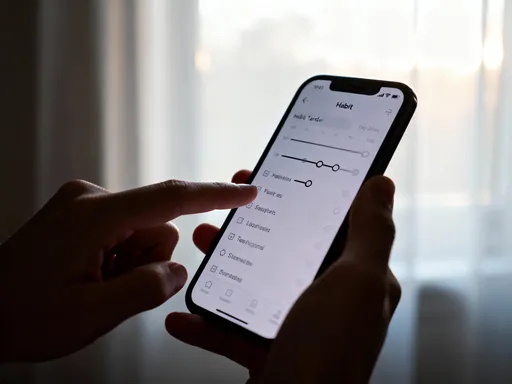
So I did a full audit. I went into my settings and looked at every app—messaging, email, social media, weather, shopping, news—and asked one question: “Does this notification need to reach me instantly?” For most, the answer was no. I turned off alerts for everything except text messages, phone calls, and my calendar. No more buzzes for every social media like, email promotion, or app update. I also set “Do Not Disturb” from 8 PM to 7 AM, and I enabled it during meals and family time.
The change was almost immediate. I noticed I wasn’t jumping every time my phone lit up. My mind felt quieter. I could finish a thought, stay in a conversation, or just enjoy a quiet moment without being yanked into someone else’s urgency. It was like giving my brain space to breathe. I started sleeping better too—no more late-night alerts pulling me back into my inbox or news feed.
One morning, I was making pancakes with my daughter, and she said, “Mom, you’re not looking at your phone!” I laughed and said, “Nope. Just us.” And it hit me—she’d noticed. The little things matter. My phone wasn’t interrupting our moments anymore. It was waiting. And that small shift—letting my phone wait instead of always reacting—changed how I moved through my day. I felt calmer, more grounded, and honestly, more like myself.
Curating My Home Screen: Making Space for Intention
Next, I turned to the home screen—the first thing I saw every time I unlocked my phone. What greeted me said a lot about how I wanted to live. And honestly? It wasn’t great. My most-used apps were social media, shopping, and news—designed to keep me scrolling, not to support my life. I realized my phone’s layout was working against me, making the easiest choices the least helpful ones.
So I redesigned it. I started by moving all the addictive apps—social media, games, news—off the first screen and into a folder labeled “Later.” Out of sight, out of mind. On my main screen, I placed only the tools I truly used: phone, messages, calendar, notes, camera, and a mindfulness app. I also added a calming wallpaper—a photo of my family at the beach last summer. Now, when I unlock my phone, I’m greeted by something that grounds me, not distracts me.
I also grouped apps by purpose. One folder for health and wellness, another for family and communication, another for creativity. It sounds small, but this visual organization made a big difference. Instead of mindlessly opening apps, I had to pause and think: “What do I need right now?” That tiny delay created space for intention. And over time, I found myself using my phone more purposefully—checking the calendar before responding to messages, jotting down ideas in my notes instead of forgetting them, using the camera to capture real moments instead of escaping into others’ lives online.
One day, my friend came over and picked up my phone to check the time. “Wow,” she said, “your phone looks so… peaceful.” I smiled. That’s exactly what I was going for. I didn’t want my phone to feel like a battlefield of alerts and demands. I wanted it to feel like a tool, not a trap. And when your phone reflects your values—family, calm, purpose—it starts to support them instead of stealing from them.
Building Daily Anchors: Aligning Phone Use with Real Life Rhythms
With fewer distractions and a cleaner interface, I started thinking about timing. Instead of letting my phone use happen randomly, I created “tech anchors”—specific times and purposes for checking in. These weren’t strict rules, but gentle rhythms that fit my life. For example, I now check messages and emails only three times a day: after breakfast, after lunch, and in the early evening. That’s it. If something urgent comes up, people know they can call.
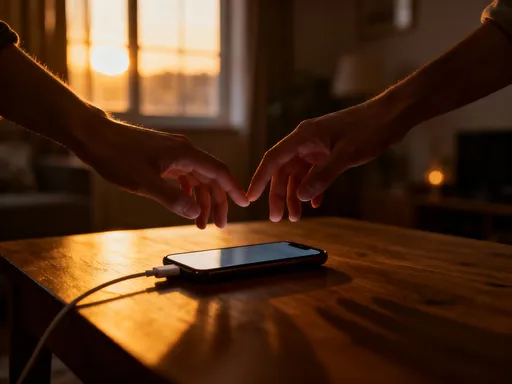
These anchors helped me sync my digital life with my real one. I began using my phone intentionally during natural transitions—like planning the next day’s meals while waiting for the kids’ school pickup, or checking the weather before heading out for a walk. Instead of letting the phone dictate my pace, I started using it to support my rhythm. I also created phone-free zones: no phones at the dinner table, no phones in the bedroom, and no phones during family game night. These boundaries weren’t about punishment—they were about protection. Protection for connection, for rest, for presence.
One of the biggest changes was in the morning. Instead of starting the day with a flood of information, I now begin with 15 minutes of quiet—coffee, journaling, and maybe a short walk. I don’t touch my phone until I’ve centered myself. That small shift has changed everything. I feel calmer, more focused, and more in control. My kids have noticed too. “You’re not grumpy in the mornings anymore,” my son said last week. I laughed, but he was right. I wasn’t battling a wave of digital noise before the day even began.
These anchors didn’t eliminate phone use—they made it meaningful. I wasn’t avoiding technology; I was aligning it with my values. And that made all the difference.
Tech That Supports, Not Distracts: My Essential Apps for Calm and Focus
Not all apps are created equal. Some pull you in; others help you live better. I took a hard look at what I kept on my phone and asked: “Does this app serve my life, or steal from it?” I deleted anything that didn’t pass the test. What’s left are tools that genuinely support me.
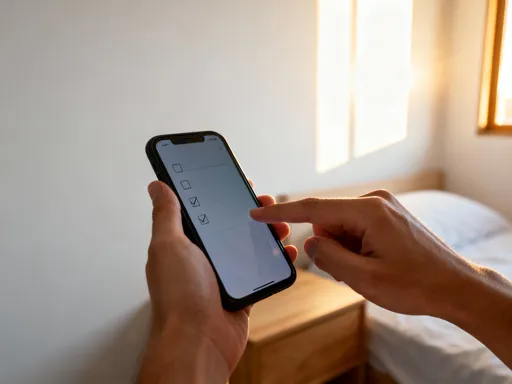
My favorite is a simple note-taking app. I use it to capture ideas, grocery lists, and to-dos the moment they come up—instead of trying to remember them or letting them spiral into stress. It’s like giving my brain a place to rest. I also use a mindfulness timer for short breathing exercises—just two minutes when I feel overwhelmed. It’s not fancy, but it brings me back to the present.
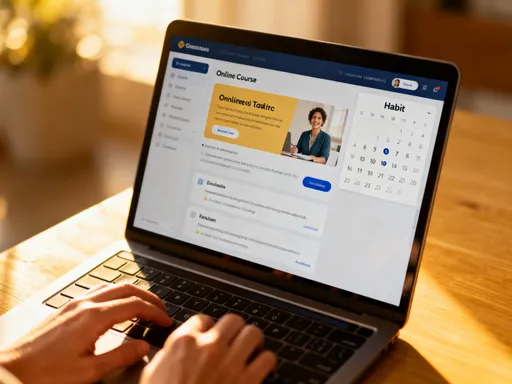
Another essential is our shared family calendar. Everyone—me, my partner, the kids—has access. We add school events, appointments, and even fun plans like movie nights. No more double-booking or forgotten pickups. It’s a small thing, but it’s reduced so much stress. I also use a photo app that automatically organizes our family pictures by date and location. Instead of hundreds of unsorted images, I can easily find and share moments that matter.
These apps don’t demand my attention. They wait. And when I use them, it’s with purpose. I’m not scrolling; I’m doing. I’m not escaping; I’m engaging. That’s the kind of technology I want in my life—quiet, helpful, and human-centered. It’s not about having the latest gadgets or most downloads. It’s about choosing tools that make your days easier, calmer, and more connected to what you love.
The After: How My Life Slowed Down—and Got Better
It’s been over a year since I started this journey, and I can honestly say my life feels different. Not because I’ve done anything extraordinary, but because I’ve made small, consistent choices to put myself—and my family—first. My phone is still part of my day, but it’s no longer in charge. I use it with intention, not impulse. And in return, I’ve gained something priceless: presence.
I sleep better. I’m more focused during the day. I listen more deeply. I laugh more freely. I’ve reconnected with hobbies I’d forgotten—reading, gardening, baking on Sundays. My relationships feel stronger because I’m actually there when I’m with people. And my mind? It feels clearer, less cluttered, more at peace. I still have busy days, of course. Life doesn’t stop. But now, I feel like I’m navigating it with more calm and clarity.
One of the most beautiful changes has been with my kids. They don’t have to compete with my phone for attention anymore. We talk more. We play more. We just are more. And I’ve noticed they’re more present too—less glued to screens, more engaged in the world around them. It’s like my shift created space for them to breathe as well.
I don’t get it right every day. Some days I still fall back into old habits. But now, instead of beating myself up, I just notice it and gently reset. This isn’t about perfection. It’s about progress. It’s about designing a relationship with technology that serves your life, not steals from it. And if you’re feeling overwhelmed, I want you to know: you don’t have to change everything at once. Start small. Turn off one notification. Move one app off your home screen. Try a phone-free meal. Be kind to yourself. This isn’t a test of discipline—it’s an act of care. And every small step you take is a step toward a life that feels more like yours.