How I Turned My Hobby Into a Smarter Investment Game
What if your weekend passion could do more than just clear your mind—what if it could grow your wealth? I didn’t think much about it until I started treating my hobby like a personal investment lab. No wild risks, no get-rich-quick schemes—just smart, intentional moves. This is how I found a strategy that balances joy and returns, without crossing into dangerous speculation. Let me show you how it works. By blending emotional engagement with financial discipline, I discovered a path where personal interests aren’t just distractions—they’re gateways to smarter money habits. The journey began not with spreadsheets, but with curiosity.
The Hidden Value in What You Love
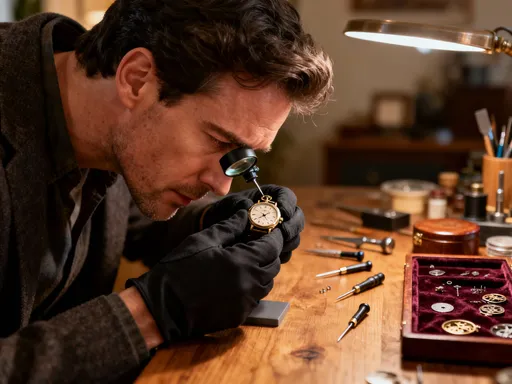
At first glance, hobbies appear to be purely recreational—activities pursued for relaxation, creativity, or social connection. Yet beneath the surface lies a quiet financial intelligence that many overlook. When you invest time in a hobby, you naturally develop market awareness. A gardener learns the seasonal value of heirloom seeds. A woodworker becomes familiar with rare hardwoods and tool durability. A photographer studies lens resale trends and equipment depreciation. These aren’t abstract financial lessons—they’re lived experiences that build financial intuition over time.
What makes hobbies uniquely powerful is the emotional engagement they inspire. Traditional investing often feels distant and analytical, relying on data without personal connection. But when your money is tied to something you love, you pay closer attention. You’re more likely to research thoroughly, wait patiently for the right opportunity, and avoid impulsive decisions. This emotional commitment fosters long-term thinking, one of the most valuable traits in wealth building. You’re not chasing trends—you’re nurturing something meaningful.
Moreover, hobbies encourage skill development that translates into tangible financial benefits. Learning to restore vintage furniture, for example, isn’t just satisfying—it builds craftsmanship that can preserve or increase the value of physical assets. Similarly, mastering digital illustration software enhances both creative output and the potential to offer services later. These skills compound quietly, like interest in a savings account, growing in value even when you’re not actively using them. Over time, the line between leisure and asset-building begins to blur.
Unlike conventional investments driven solely by returns, hobbies offer a dual benefit: enjoyment today and potential value tomorrow. This balance reduces the psychological strain of financial decision-making. You’re not sacrificing present happiness for future gains—you’re aligning them. The result is a more sustainable approach to money management, where discipline feels less like restriction and more like purposeful progress. This subtle shift in mindset can be the foundation of lasting financial health.
From Passion to Portfolio: Reframing Your Mindset
Most people treat hobbies as expenses—a necessary cost for doing what they enjoy. But a small shift in perspective can transform this view: instead of merely spending on your hobby, consider how you might be investing in it. The difference lies in intention. Spending is transactional; investing implies growth, retention of value, and future benefit. When you buy a high-quality camera for photography, are you simply upgrading your gear—or are you acquiring an asset that could appreciate, serve multiple purposes, or generate income down the line?
This reframing starts with recognizing three types of value within your hobby: collectible, functional, and experiential. Collectibles—like rare coins, vintage records, or limited-edition art supplies—have the potential to increase in market value over time. Functional assets—such as durable tools, instruments, or specialized equipment—retain utility and resale value. Experiential investments—like workshops, certifications, or travel related to your interest—enhance knowledge and open doors to new opportunities. Each category offers a different path to financial return, even if modest.
Take model train collecting, for instance. On the surface, it’s a nostalgic pastime. But enthusiasts who focus on original packaging, limited runs, and historical accuracy often find their collections gaining value. Similarly, a knitter who invests in premium wool and documented patterns may later sell finished pieces at craft fairs or online. These aren’t get-rich-quick scenarios, but they illustrate how mindful engagement can yield real financial byproducts. The key is intentionality: asking not just “Do I want this?” but “Could this hold or build value over time?”
Reframing your hobby as a portfolio doesn’t mean turning every purchase into a profit calculation. That would drain the joy from the experience. Instead, it means cultivating awareness. It’s about making choices that support both immediate enjoyment and long-term resilience. When you view your hobby through this dual lens, you begin to see opportunities where others see only costs. And that shift—subtle yet powerful—can change how you relate to money in all areas of life.
Building a Hobby-Based Investment Strategy
Turning passion into value requires more than just awareness—it demands structure. A hobby-based investment strategy doesn’t need complex algorithms or expert advice. What it does require is a clear framework for evaluating choices. Start by identifying which aspects of your hobby have the greatest potential for value retention or appreciation. Focus on three criteria: durability, demand, and transferability. Durability refers to how well an item holds up over time. Demand measures how sought-after it is within the community. Transferability indicates how easily it can be sold or repurposed if needed.
Consider a musician building a home studio. A $200 microphone might seem like a reasonable expense, but if it degrades quickly or lacks resale appeal, it’s purely consumptive. In contrast, a $600 professional-grade condenser mic from a reputable brand may last decades, maintain strong resale value, and even serve in freelance recording work. The higher upfront cost is offset by longevity and versatility. Every purchase becomes a balance between immediate utility and long-term financial logic.
Another example is gardening. Buying seeds each season is normal, but investing in heirloom varieties that can be saved and replanted turns a recurring expense into a one-time investment. Similarly, constructing raised beds from rot-resistant wood reduces future replacement costs and improves yield. These decisions reflect a strategic mindset—looking beyond the moment to how each choice compounds over time. The goal isn’t to eliminate spending, but to direct it toward assets that serve multiple roles: pleasure, function, and potential return.
A practical way to apply this strategy is through a simple evaluation checklist before any significant purchase. Ask: Will I use this regularly? Is it built to last? Is there a secondary market for it? Could it generate income or reduce future costs? If most answers are yes, you’re likely making an investment rather than a pure expense. Over time, this habit reshapes your entire financial behavior, encouraging thoughtful decision-making across budgets, not just in your hobby space.
Smart Spending vs. Hidden Traps
Even the most passionate hobbyists can fall into financial pitfalls. Emotional buying is one of the most common—purchasing items driven by excitement, FOMO (fear of missing out), or social pressure rather than genuine need. Limited-edition releases, flash sales, and influencer endorsements can trigger impulsive decisions. A collector might buy a rare figure simply because others are bidding, not because it fits their collection or brings lasting joy. These moments, repeated over time, erode financial stability under the guise of passion.
Over-collecting is another silent trap. What starts as a curated set can spiral into excess—boxes of unopened items, shelves of unused tools, drawers full of supplies that never get used. This isn’t collecting; it’s hoarding disguised as enthusiasm. The financial cost is clear: tied-up capital, storage expenses, and eventual devaluation from neglect. Worse, it dulls the emotional reward. When everything feels abundant, nothing feels special. Scarcity, when intentional, enhances appreciation. Mindless accumulation does the opposite.
Status-driven upgrades are equally dangerous. Upgrading gear not because it improves performance but because it signals expertise or exclusivity leads to diminishing returns. A baker doesn’t need five stand mixers. A cyclist doesn’t need seven bikes. Yet social circles within hobbies often glorify ownership over utility. Resisting this pressure requires internal clarity: knowing your goals, limits, and values. It means defining success by personal satisfaction, not external validation.
To avoid these traps, establish invisible guardrails. Implement a 48-hour waiting period before any purchase above a set threshold—say, $100. Use budget caps: allocate a fixed monthly amount to your hobby and stick to it. Apply value filters: does this item enhance my experience, or is it purely symbolic? These rules aren’t about deprivation; they’re about preserving the integrity of your passion. When spending is intentional, it strengthens your connection to the hobby. When it’s unchecked, it weakens it. Discipline, in this context, becomes an act of respect—for your time, your money, and your joy.
Turning Skills Into Side Gains
One of the most rewarding aspects of deep hobby engagement is the potential to generate modest income—not by turning passion into a business, but by sharing expertise in low-pressure ways. Teaching a beginner’s workshop, repairing broken items for friends, curating collections for others, or offering consulting advice can all create side gains. These aren’t about replacing a full-time income, but about offsetting costs and improving overall financial balance.
For example, a quilting enthusiast might host monthly stitching circles for a small fee. A homebrewer could sell custom batches at local markets under cottage food laws. A birdwatcher might lead guided nature walks for community groups. These activities leverage existing knowledge and equipment without requiring major new investments. The income generated may be modest—$200 a month, perhaps—but its impact is amplified when reinvested. That $200 can cover materials, tools, or event fees, effectively reducing the net cost of the hobby.
More importantly, earning even small amounts from your hobby changes your psychological relationship with money. It shifts the narrative from “I spend money on this” to “This helps support itself.” That shift builds confidence and encourages smarter decision-making. You begin to see your time and skills as valuable, not just your cash. This awareness often spills over into other areas—budgeting, saving, career choices—because you’ve internalized the idea that value can be created in multiple ways.
Reinvesting side gains accelerates progress. Instead of draining savings, your hobby begins to fund its own growth. A photographer uses portrait session earnings to upgrade lenses. A gardener sells surplus produce to buy compost systems. These cycles create momentum, where effort compounds into both personal and financial returns. The key is to maintain balance—earning should enhance, not overshadow, the joy of the activity. When income becomes the sole focus, burnout follows. But when it’s a natural byproduct of passion, it enriches the entire experience.
Diversifying Beyond the Hobby (Without Losing Focus)
While a hobby can serve as a powerful financial learning ground, it should not become the entirety of one’s financial strategy. Overconcentration—putting too much time, emotion, or money into a single area—creates risk. If the market for collectibles declines, or interest wanes, the financial and emotional impact can be significant. Diversification is not a betrayal of passion; it’s a safeguard that ensures long-term stability.
The insights gained from your hobby can inform broader financial decisions. Observing supply and demand in niche markets teaches lessons applicable to investing. Recognizing trend cycles—what’s popular now versus what endures—builds pattern recognition useful in stock or real estate markets. Understanding depreciation through equipment use sharpens awareness of asset lifecycles. These lessons, learned in a low-stakes environment, prepare you for larger financial moves with greater confidence.
When your hobby generates profits or savings, consider allocating a portion into safer, long-term vehicles. Index funds, retirement accounts, or emergency savings provide stability that complements the dynamic nature of passion-based investments. A rule of thumb: for every dollar earned or saved through your hobby, direct 50% back into the activity and 50% into broader financial goals. This balance keeps the hobby vibrant while building a foundation for future security.
Diversification doesn’t mean abandoning focus. It means expanding your vision. You can remain deeply committed to your interest while recognizing that true financial health comes from a layered approach. Your hobby teaches discipline, patience, and value assessment—skills that serve you well beyond its borders. By applying these lessons elsewhere, you create a financial ecosystem where passion and prudence coexist.
The Long Game: Patience, Risk Control, and Real Growth
Sustainable wealth is rarely built through dramatic wins. It grows quietly, through consistent choices, careful research, and emotional discipline. The same principles apply within a hobby-based investment approach. Quick flips or speculative bets may yield short-term gains, but they often come at the cost of long-term satisfaction. Real growth emerges from patience—waiting for the right piece to appear, learning repair techniques over months, or allowing a collection to mature in value.
Risk control is central to this philosophy. Before acquiring an item, research its history, market trends, and common pitfalls. Engage with community forums, attend events, and learn from experienced collectors or practitioners. This wisdom, freely shared among enthusiasts, is a powerful tool. It prevents costly mistakes and builds confidence in decision-making. Incremental choices—buying one high-quality tool at a time, testing materials in small batches—reduce exposure while allowing for learning.
Equally important is accepting that not every financial move within your hobby will pay off. A restored antique may not sell for expected prices. A custom-built item might not attract buyers. These outcomes aren’t failures—they’re part of the process. What matters is the discipline to continue making informed, intentional choices. Over time, the wins outweigh the losses, not because of luck, but because of consistency.
Emotional discipline becomes your greatest financial asset. Resisting impulse buys, enduring market fluctuations, and staying committed through slow growth all require self-awareness. These traits, cultivated in the context of a hobby, transfer seamlessly to personal finance. You learn to separate desire from need, trend from value, noise from signal. That clarity is rare—and invaluable.
Wealth That Feels Worth It
True financial success isn’t measured solely by account balances or net worth. It’s reflected in alignment—when your money flows toward what you care about, with intention and control. A hobby, treated with financial mindfulness, becomes more than a pastime. It becomes a training ground for smarter decisions, deeper satisfaction, and lasting resilience. The returns aren’t always monetary, but they are real: confidence, competence, and a sense of purpose.
This approach doesn’t promise overnight riches. It offers something better: a life where discipline and delight coexist. Where every purchase carries meaning. Where growth feels organic, not forced. And where the act of caring for something you love also strengthens your financial foundation. That’s the real return—not just in dollars, but in days well lived.